Mark B. I revisited the bug whereby the IOP DACKILL state is displayed white on some SUS screens. As Dave and I discovered the other day, it was due to an incorrect COMP argument being passed by SITEMAP.adl to SUS_CUST_QUAD_OVERVIEW.adl. It's supposed to give the text fragment to add to H1IOPSUS to give the IOP model name. For ITMy it should be COMP="B123", and I fixed that a few days ago. I recalled that there was also a lower case version comp, so today I confirmed that it was used and set it to "b123". I also established that for QUADTST and BSTST, the strings should be "QUADTST" etc. Unfortunately attempting to enter them takes the total argument string over 256 characters, which is an error, so I left them wrong.
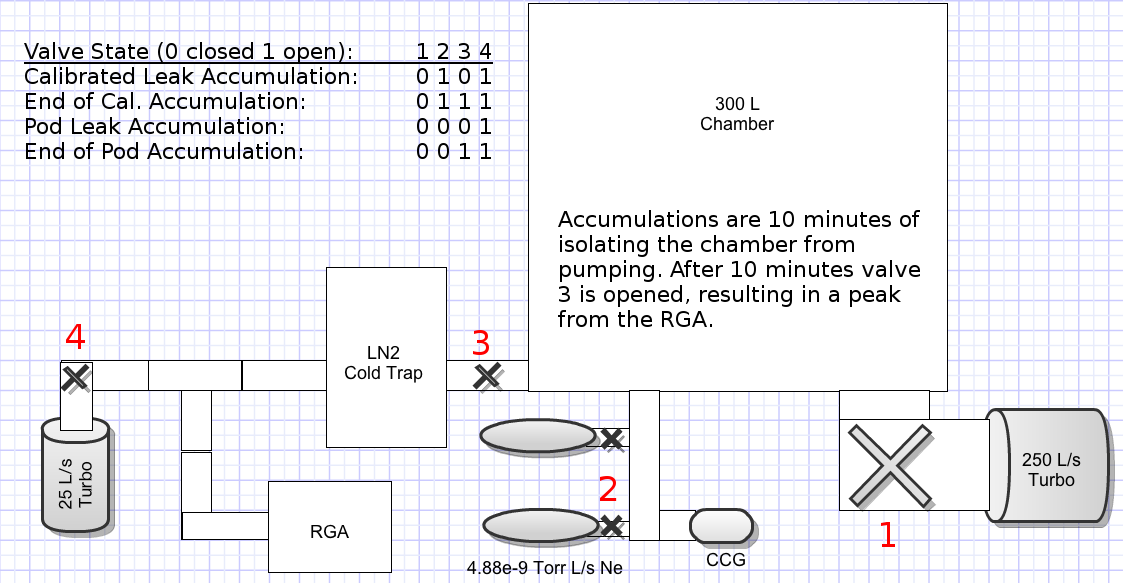
Temporary pump connection for HAM2 + HAM3 isolated volume
This is just for a record.
The cables below are the ones that are currently not pulled or that need(ed) some modifications :
CAB_H1:ISC_2 DB25MF (wrong gender [1], already fixed by a gender changer at each end)
CAB_H1:ISC_16 DB25MF (a temporary cable will be installed)
CAB_H1:ISC_24 DB25MF (in stock: to be installed)
CAB_H1:ISC_25 DB25MF (in stock: to be installed)
CAB_H1:ISC_26 DB9MF (in stock: to be installed)
CAB_H1:ISC_27 (too short [2])
CAB_H1:ISC_28 (too short [2])
CAB_H1:ISC_48 (too short [2])
CAB_H1:ISC_206 DB25MF (in stock: to be installed)
CAB_H1:ISC_208 DB25MF (missing)
CAB_H1:ISC_209 DB25MF (missing)
CAB_H1:ISC_211 DB9MF (in stock: to be installed)
CAB_H1:IOO_270 DB9MF (wrong gender at C1. The other end will be checked)
CAB_H1:ISC_310 DB37MF (missing)
CAB_H1:ISC_311 DB37MF (missing)
CAB_H1:ISC_321 DB25MF (missing)
CAB_H1:ISC_322 DB25MF (missing)
All of these cables are more or less related to the upcoming IMC locking and the other missing cables which are fairly independet of the IMC locking are not shown. Also this list doesn't count the cables associated with IOT2.
[1] LHO alog #4567
[2] LHO alog #4978
There were a flurry of activities/measurements in the morning to get to a point where Kyle & Gerardo could start pumpdown on the MC section (HAM2, Input MC Tube, HAM3).
Morning Meeting Notes:
Day Acitvities
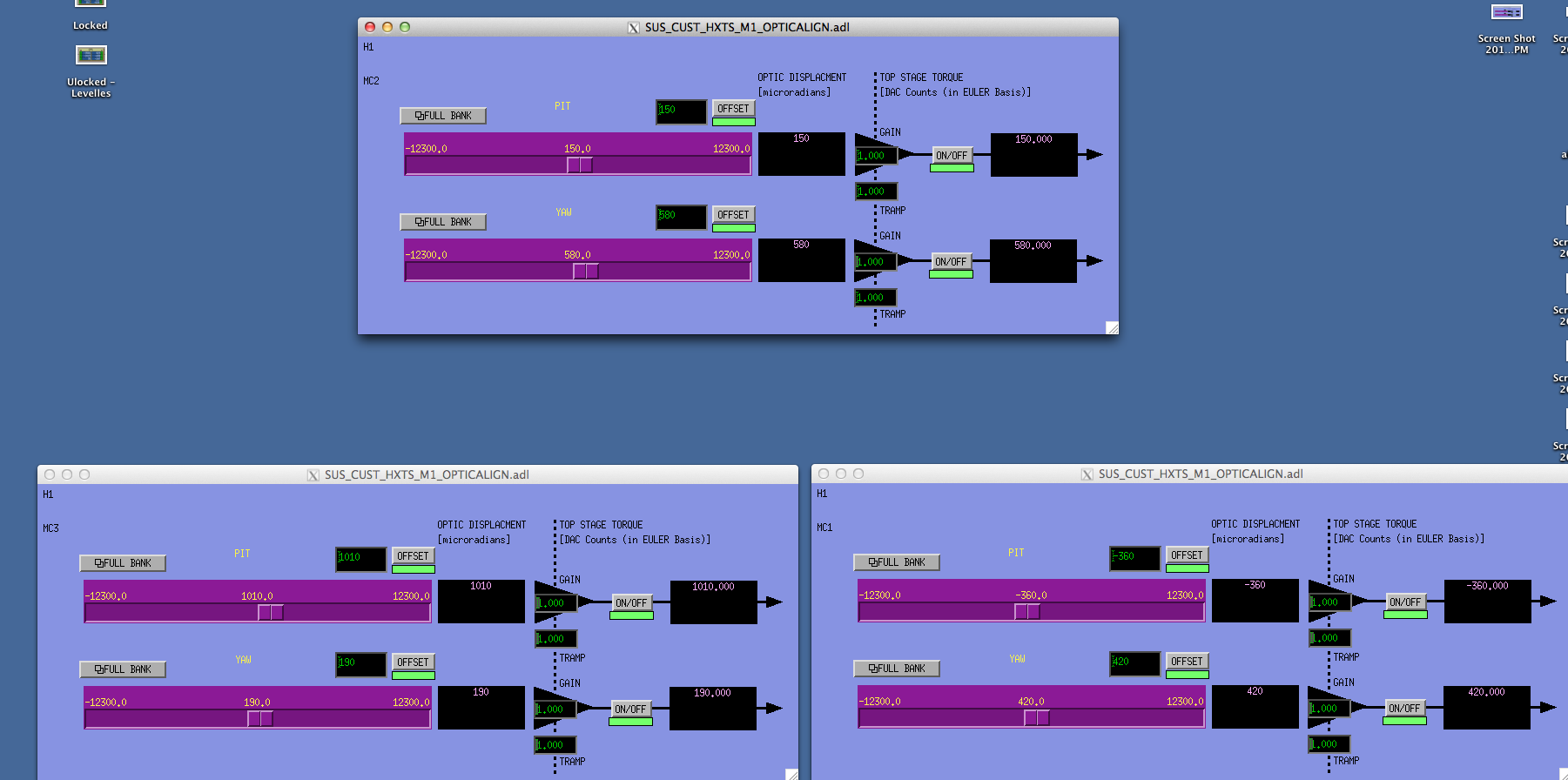
Mark B. I updated the safe.snap files for MC1, MC2, and MC3 to lock in Cheryl's alignment work of the last week. For good measure I also updated PR2 because I wasn't sure of the provenance of the old file (of 11/26/12). In each case I saved the old file with the modification date appended (e.g., h1susmc1_safe20121002.snap), and made a spare copy of the new file with today's date appended (e.g., h1susmc1_safe20121220.snap). Note that per current SUS policy, the suspension does _not_ come up with the offsets applied. The offset values are saved, but the offset enables are off, along with the damping enables, the test inputs and the master switch. Thus the laser needs to stay off until the offsets and master switch are reenabled.
The IOT table, which is currently in the squeezer bay, is ready to go.
All the enclosure panels are now back in place and I have wiped the interior of the enclosure with iso since the table has been exposed for a long time (~ more than a week) because some of the panels had been off. In addition to it, I put some dog-clamps on the two periscope structures, which would otherwise potentially move during the crane business. Also I confirmed that the rest of the parts (i.e. mirror mounnts and etc.) on the table are sufficiently tightened so that they won't move.
Note that the installation of the optics and electronics on the table is ongoing and will be completed after the craning.
In order to investigate the channel hopping error on the h1iopseih16 model, I powered down the h1seih16 front end and removed it from the Dolphin fabric (which allows us to reboot it without risk of crashing other front ends). I power cycled the IOChassis by removing the power cord and now the IOP model is running with no channel hopping error. We will keep h1seih16 running in this configuration to permit wiring tests for HAM1 HEPI this week.
[Rick S., Volker Q.]
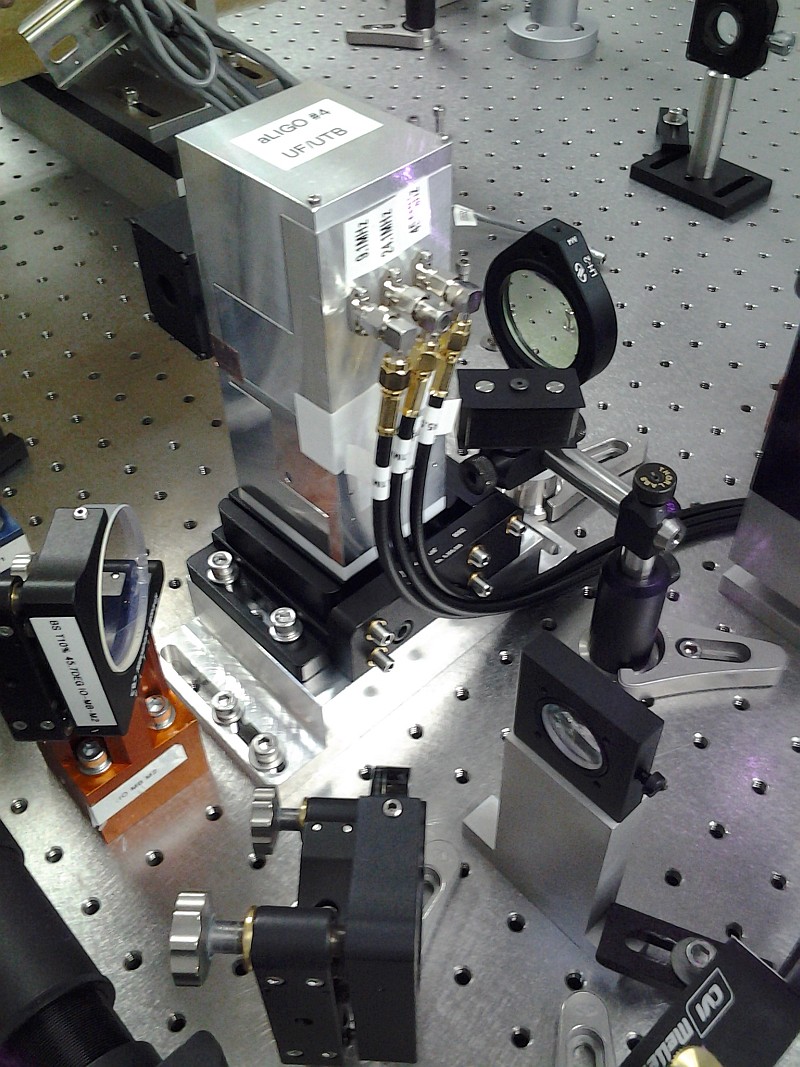
Yesterday we hooked up the "new" RF cables coming from outside the PSL enclosure to the EOM. Before connecting the following drive levels were measured using a 50 Ohm terminator and an oscilloscope.
9.10 MHz 2.72Vpp 24.08 MHz 3.10Vpp 45.50 MHz 2.78Vpp
We began construction of the h1seih16 system today. We powered down h1susauxh34 and its IOChassis (which is broken). We removed its upgraded One Stop card and install it into the h1seih16 IOChassis. We ran a new timing fiber optics cable from the PEM/PSL fanout to this chassis and connected DC power. We connected the One Stop cable from the IOChassis to the front end computer h1seih16 in the MSR. We checked the DHCP, hosts files and rtsystab to verify the front end would boot. We performed a first power-on of h1seih16. It is on the Dolphin network but no gliches were found on other front ends. The IOP model h1iopseih16 was built from a copy of h1iopseih34 and cut down because of the smaller size. All appeared well but on closer inspection we have a ADC channel hopping error.
We tried a variety of h1hpiham1 models from L1, but could not find consistency with the HEPI drawing referenced by the model. But this is moot at the moment until we can get the IOP model running without channel hopping errors. After Mode Cleaner work is completed we will reboot and investigate.
[Filiberto / Kiwamu]
This afternoon we spent a couple of hours to double-check which cables are missing and which had been installed. During the work we found that some of the cables around the remote rack C2 were a bit too short to reach the electronics. All of them need to be elongated by 20 cm at least. They are :
- CAB_H1:ISC_48
- CAB_H1:ISC_27
- CAB_H1:ISC_28
We tried pulling the first cable to drag out more of its length, but it is still too short.
Filiberto will give it another shot when he climbs the cable tray for installing some new cables.
Mark B. Starting TFs on MC1 and MC3 at 17:05.
Mark B. Checked at 06:35. MC1 was done: /ligo/svncommon/SusSVN/sus/trunk/HSTS/H1/MC1/SAGM1/Data/2012-12-19-1040023911_H1SUSMC1_M1_0p01to50Hz_tf.mat L and T plots are pristine but V, R, P, and Y have major dropouts in centre section, so can't for sure say healthy. Will redo everything with DTT. MC3 was still running, reporting 167 minutes to go, i.e., about 09:00 am finish. Will probably let run while working on MC1 and then decide whether to redo with DTT.
Mark B. MC3 data also had dropouts: /ligo/home/controls/mark.barton/0sussvn/HSTS/H1/MC3/SAGM1/Data/2012-12-20-1040041998_H1SUSMC3_M1_0p01to50Hz_tf.mat Redid both MC1 and MC3 with DTT: /ligo/home/controls/mark.barton/0sussvn/HSTS/H1/MC1/SAGM1/Data/2012-12-20_0930_H1SUSMC1_M1_WhiteNoise_*_0p01to50Hz.xml /ligo/home/controls/mark.barton/0sussvn/HSTS/H1/MC3/SAGM1/Data/2012-12-20_1030_H1SUSMC3_M1_WhiteNoise_*_0p01to50Hz.xml Both look good to go.
The west door of HAM 3 was installed and torqued. A total of 3 view ports were installed- PR2 video ZV-800-00-0099 on the east door- MC2 video ZV-800-00-0083 and ILLUMINATOR i LIGO 5.4' R011 and proctetive covers on all of the listed view ports.
Attached is a snapshot of the good starting point when we're under vacuum. Witness plates installed West side of HAM2 on stage-0.
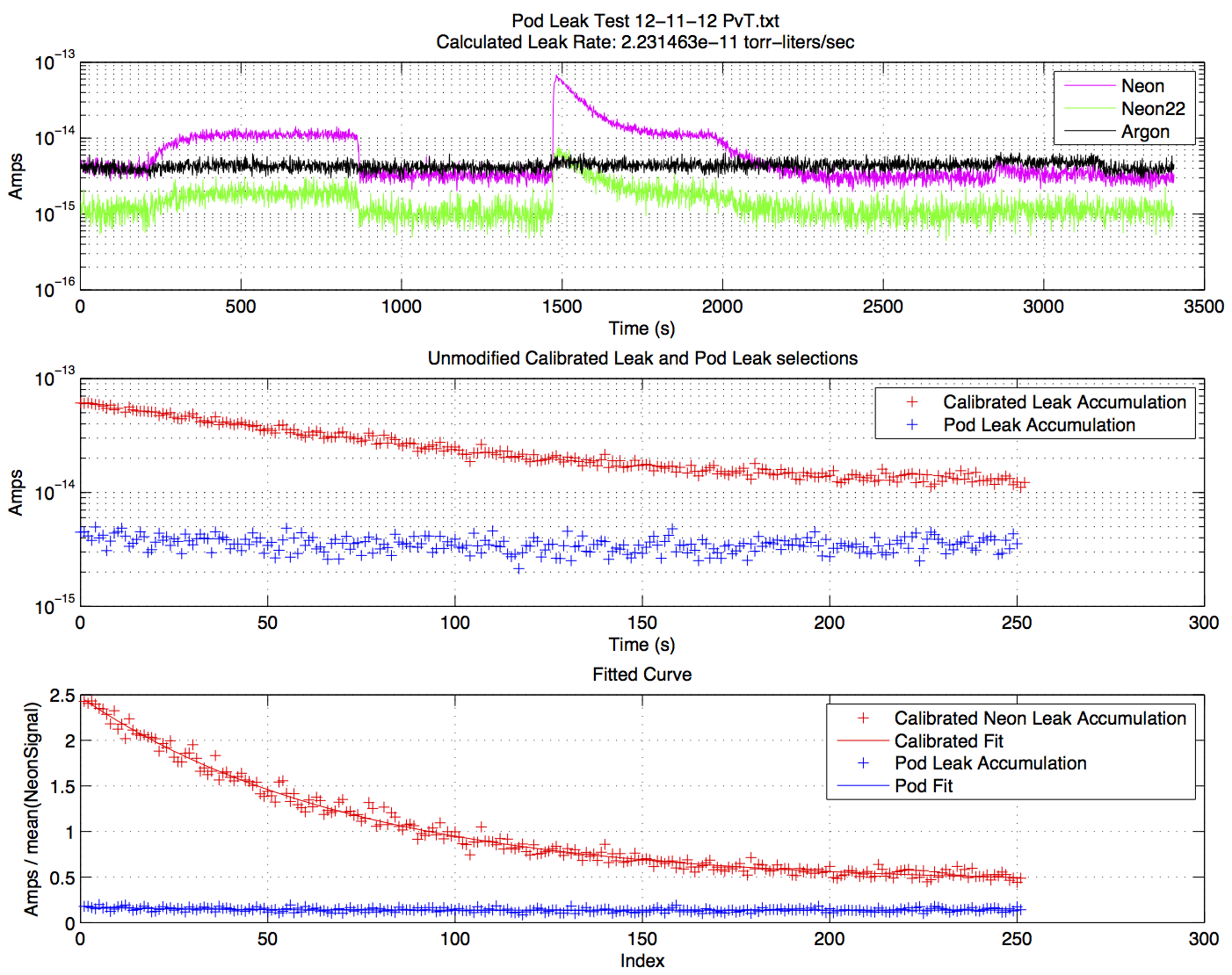
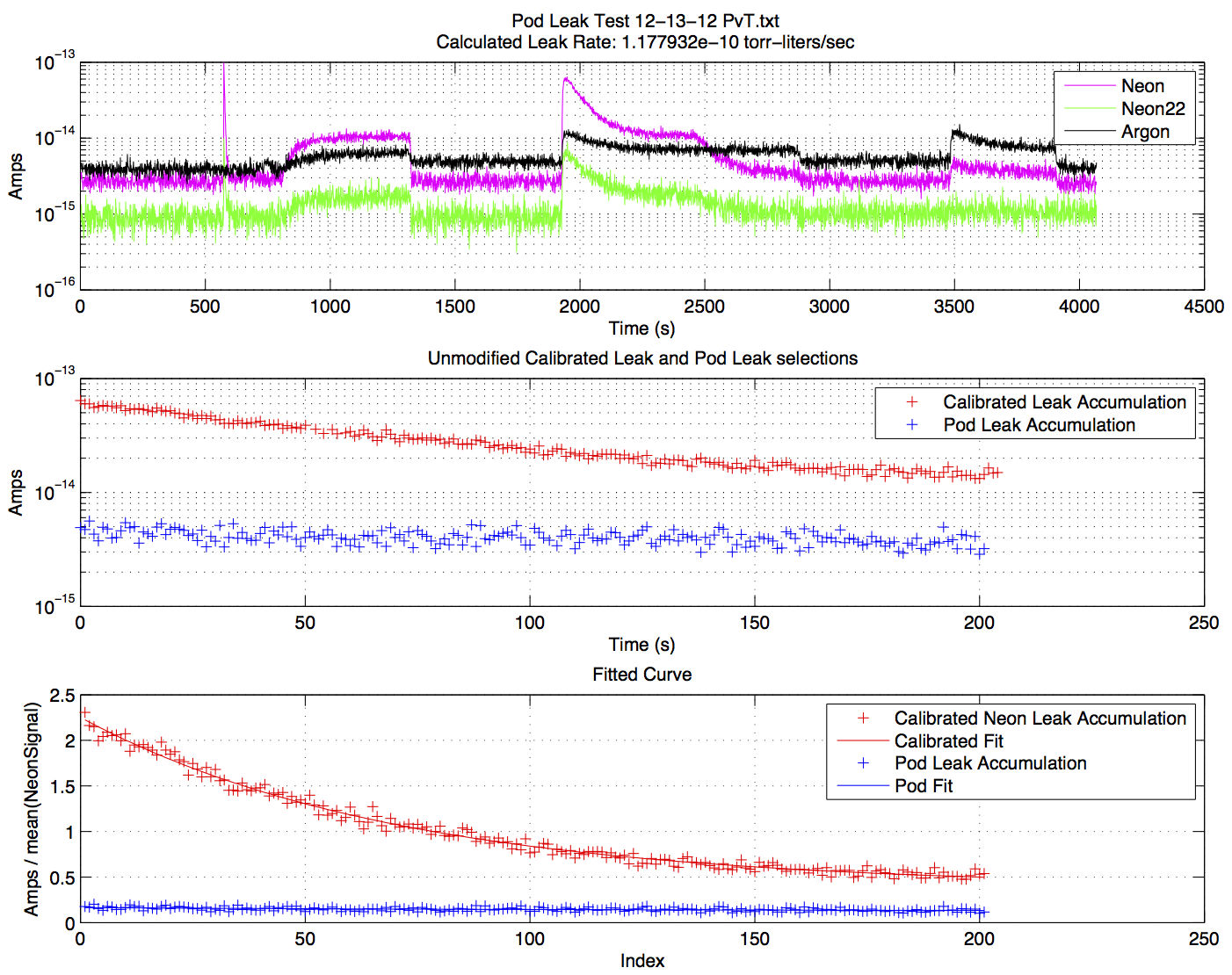
6 L4-Cs were pulled from BSC 1 that didn't have their flanges pulled down metal to metal. I replaced the hardware and gaskets, purged them with Neon, and pulled the flanges down metal to metal. They were leak checked using the modified VBO A. All 6 passed, having lower leak rates than the 1e-9 leak rate limit. The 12/13/12 test shows a total pressure around the low e-7s torr while 12/11/12 shows a total pressure around the upper e-9 torr. I believe the difference was a small nick in the copper flange. The small jump in the Neon signal was most likely a combination of the larger air leak and doubly ionized Argon. The pods tested were: V155 V151 V39 H28 H142 H68
(Corey, Keita)
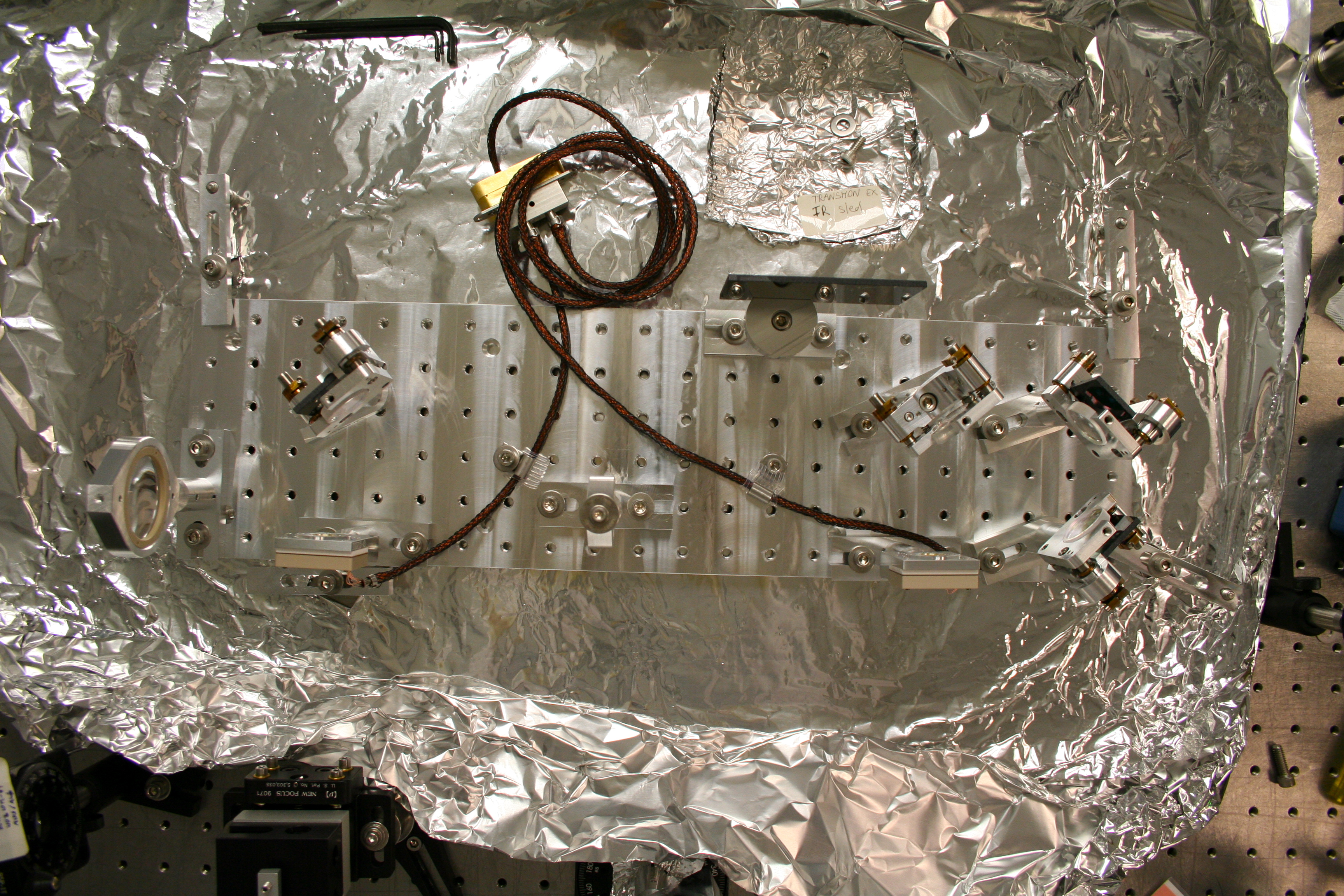
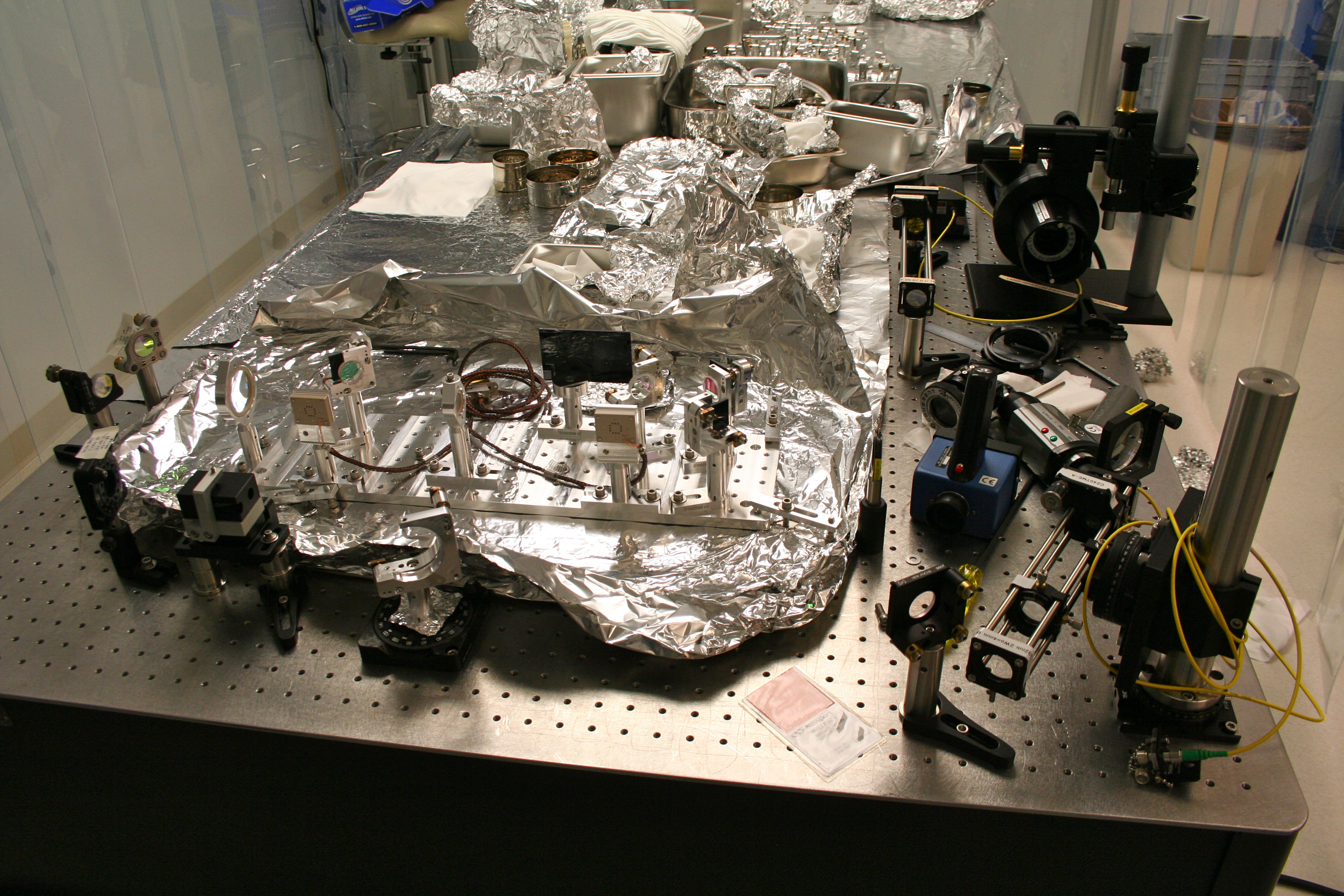
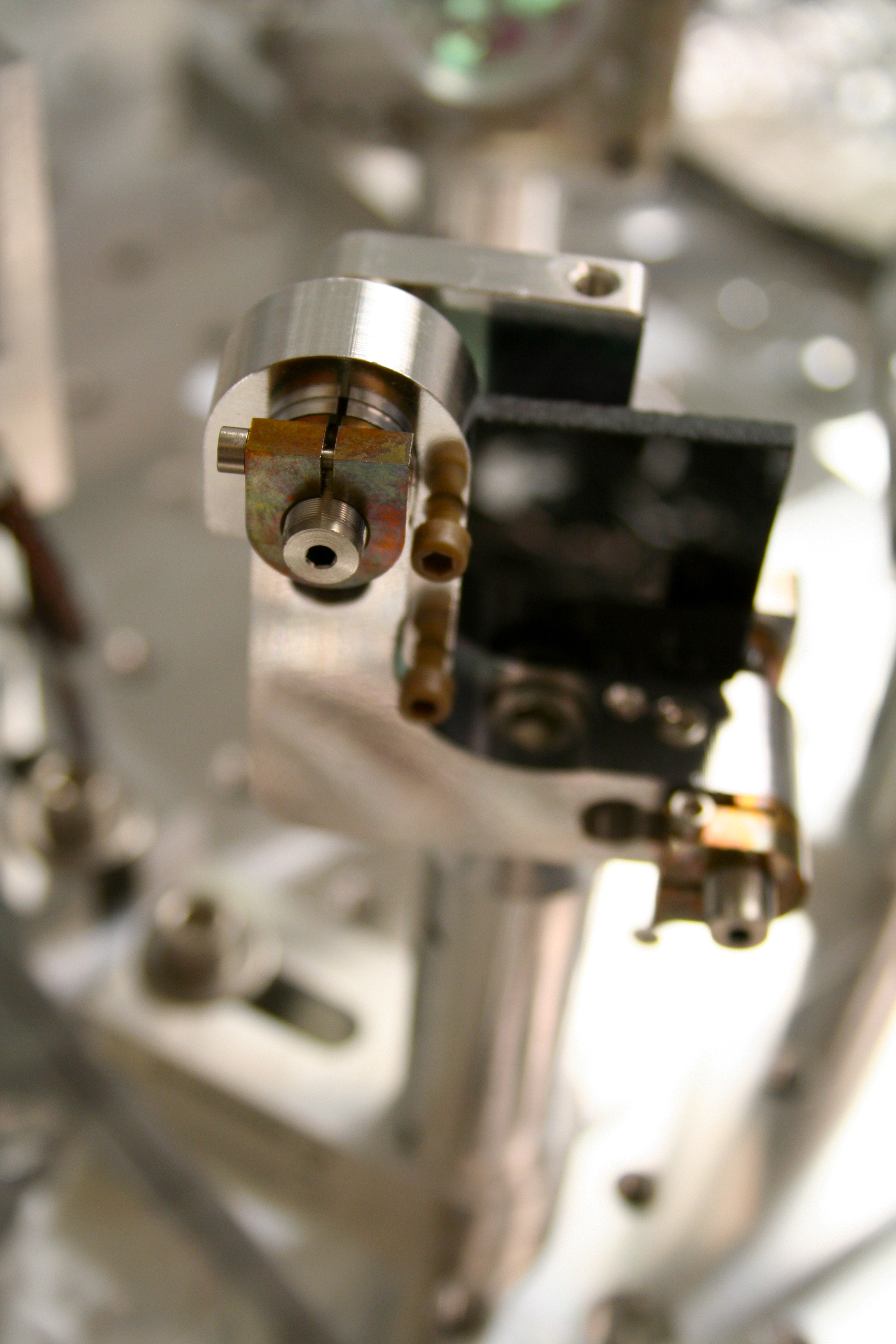
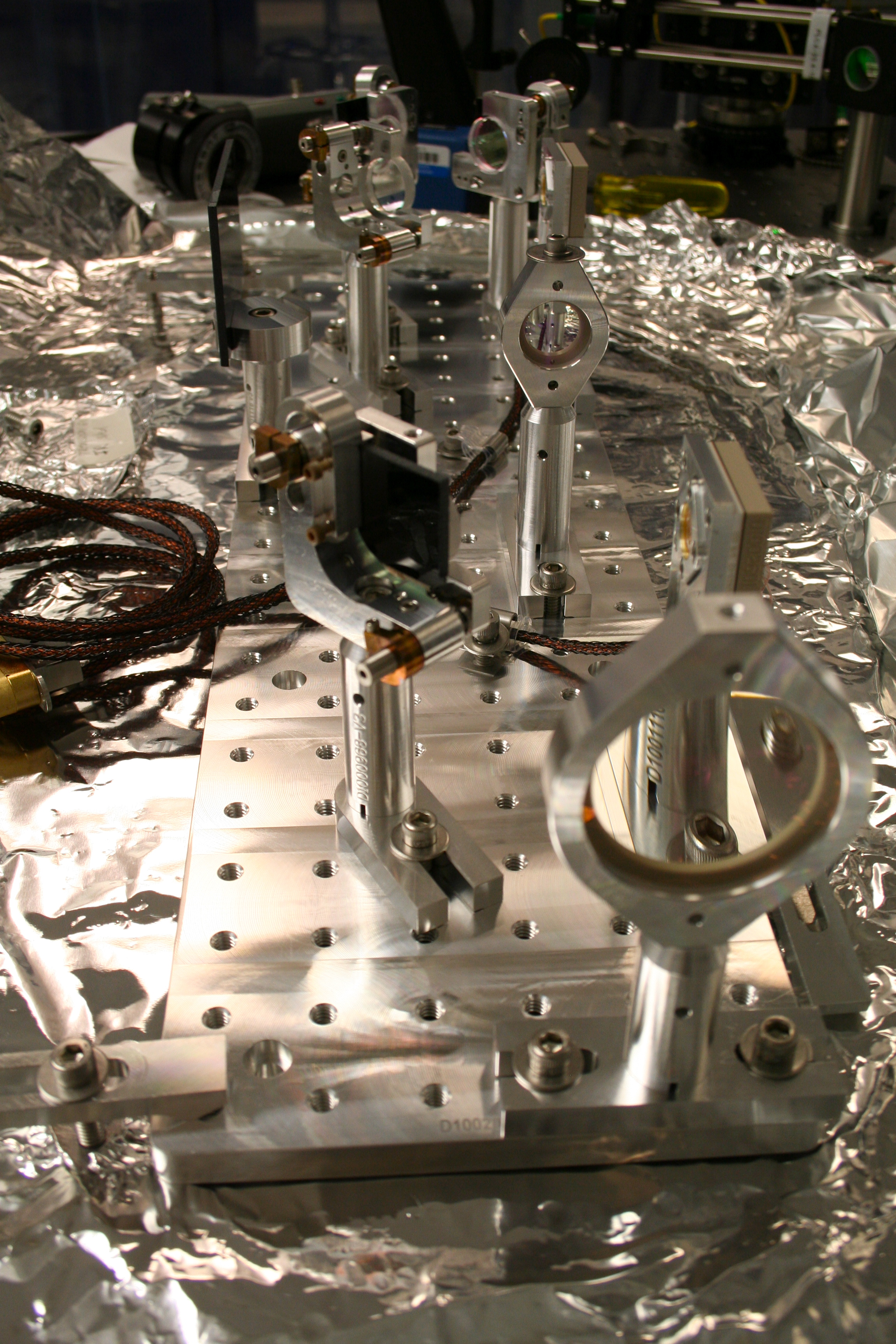
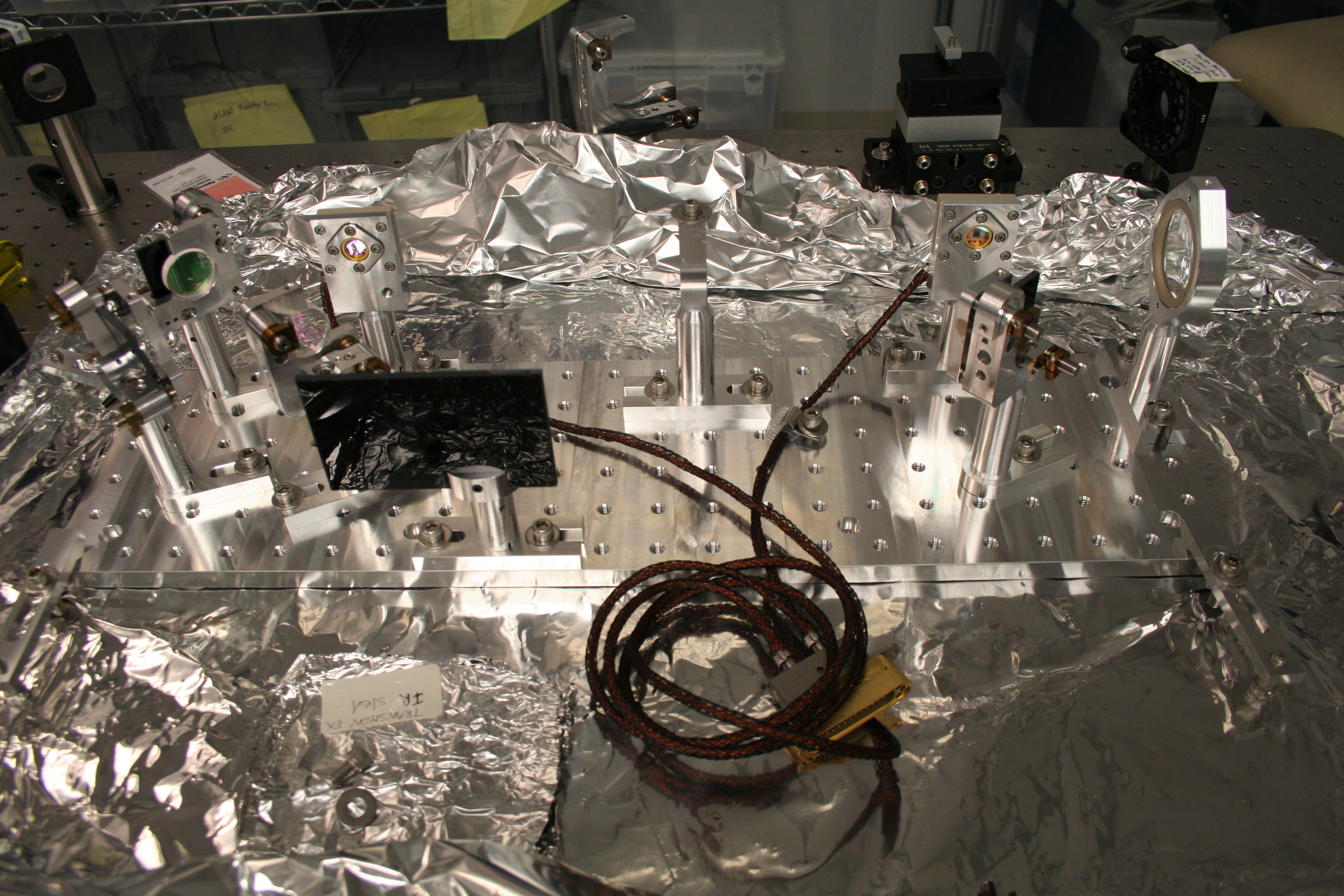
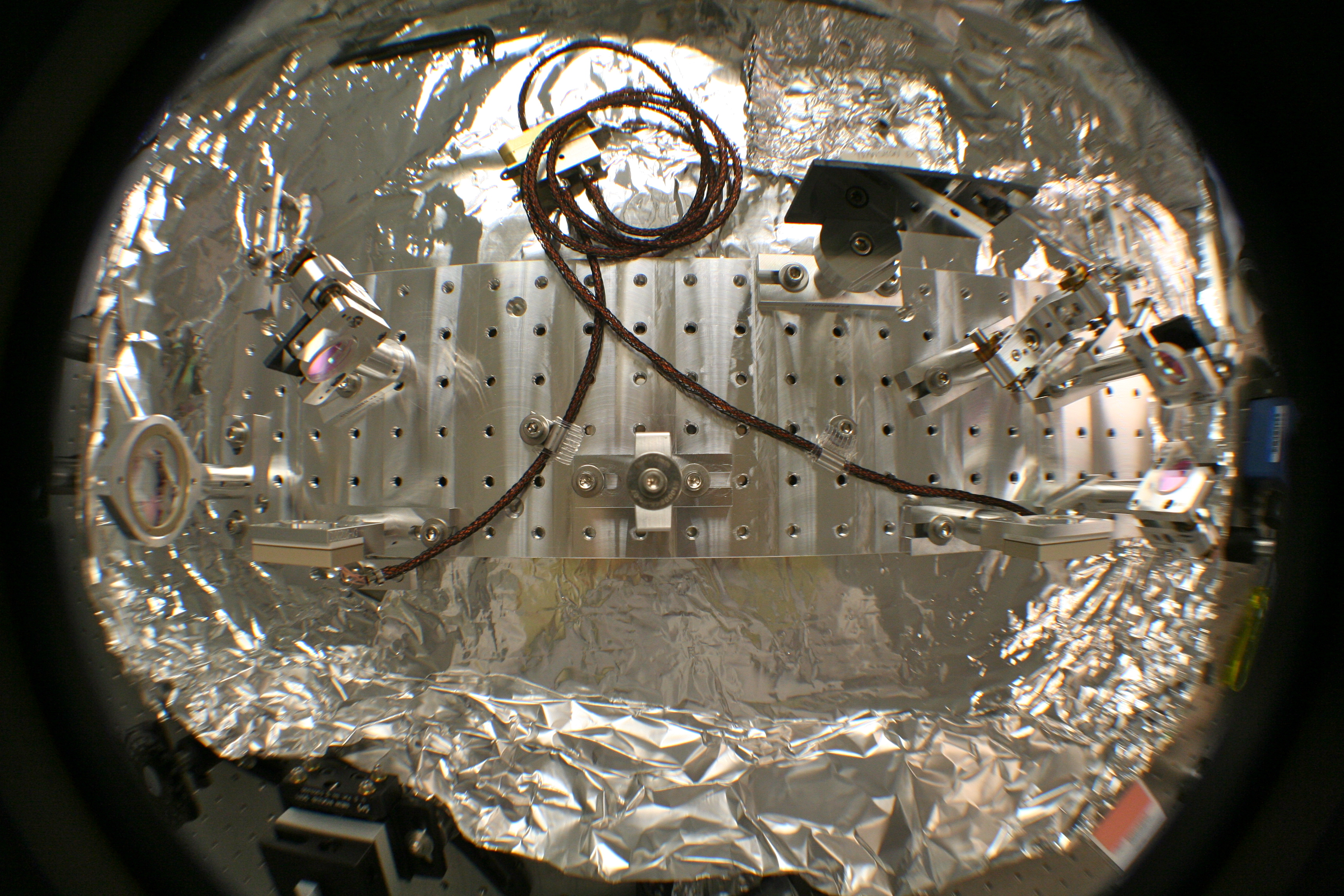
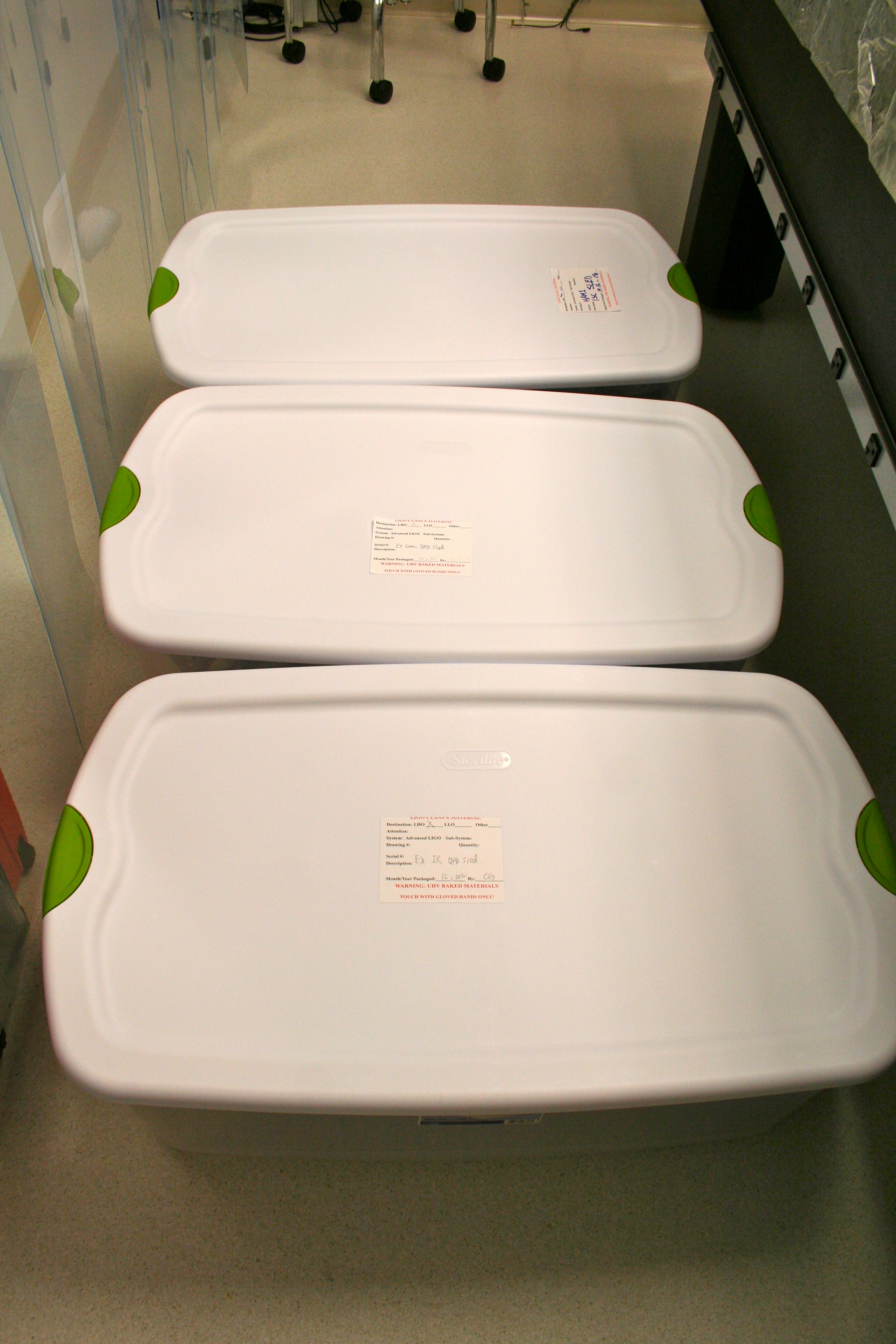
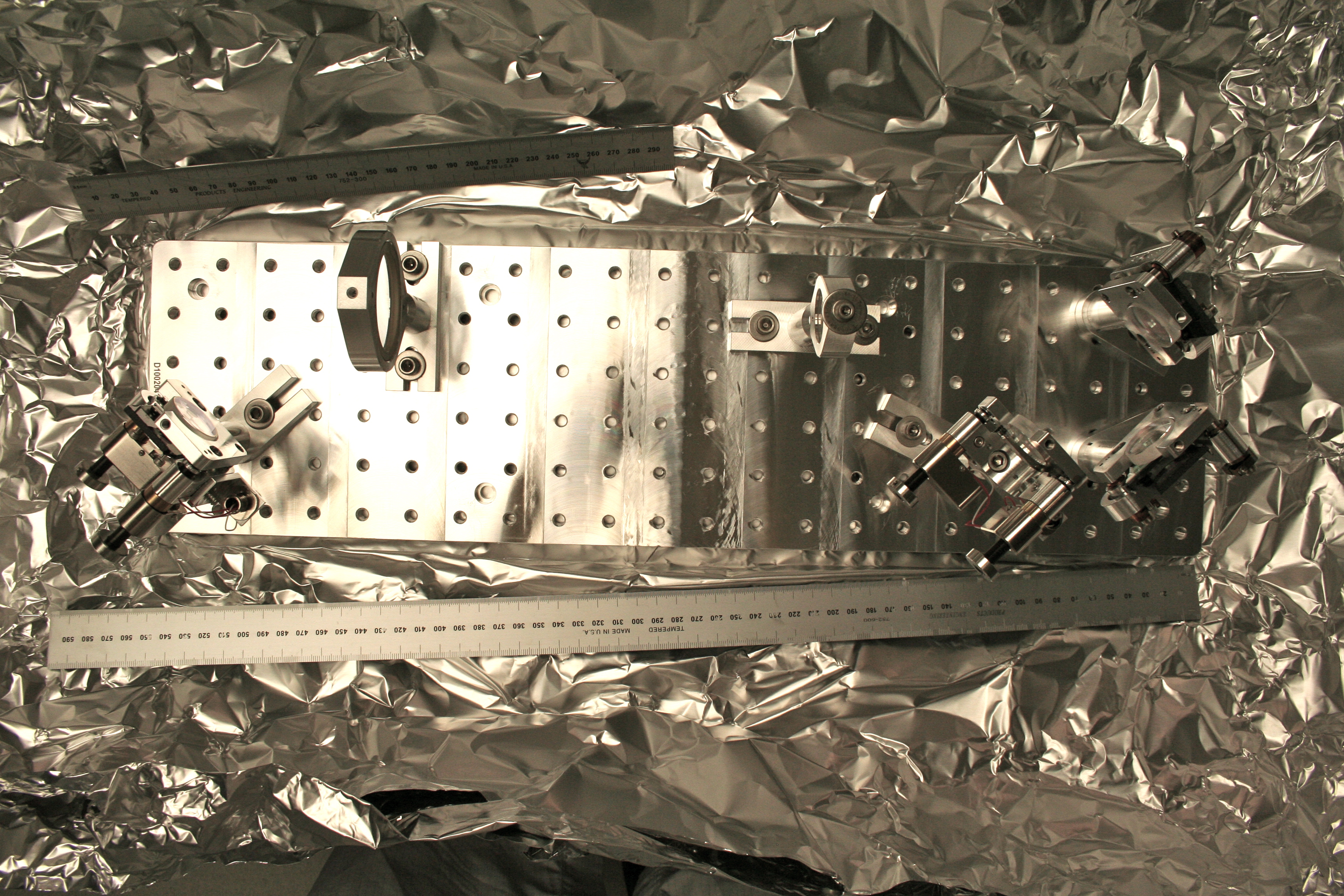
Continuing the work of building QPD Sleds for upcoming installations, Keita and I recently finished up the EX Transmon IR QPD Sled (we completed the Green Sled a couple of weeks ago; the overall Transmon document is T0900385).
Lisa B. roughly laid out the Sled during her last visit. We then used an IR laser/launcher for our light source and worked on setting up our lenses in a way such that our beam profile would be optimized for the QPDs (Desired beam profiles are posted in the Guoy Phase document T1000247). To measure our beam profiles we used the Mode Master PC; Nicolas Smith's "A La Mode" Matlab scripting was used to calculate & plot our Beam profile. (The matlab script used for this sled is attached to this entry.)
The toughest part is setting up the Mode Master, but once it is set up, it's fairly straightforward laying out the lenses for the Sled. Once the lenses were positioned & we had our desired beam profile, the rest of the Sled optics were laid out. The Mode Master results and Matlab Beam Profile plots are attached to this entry.
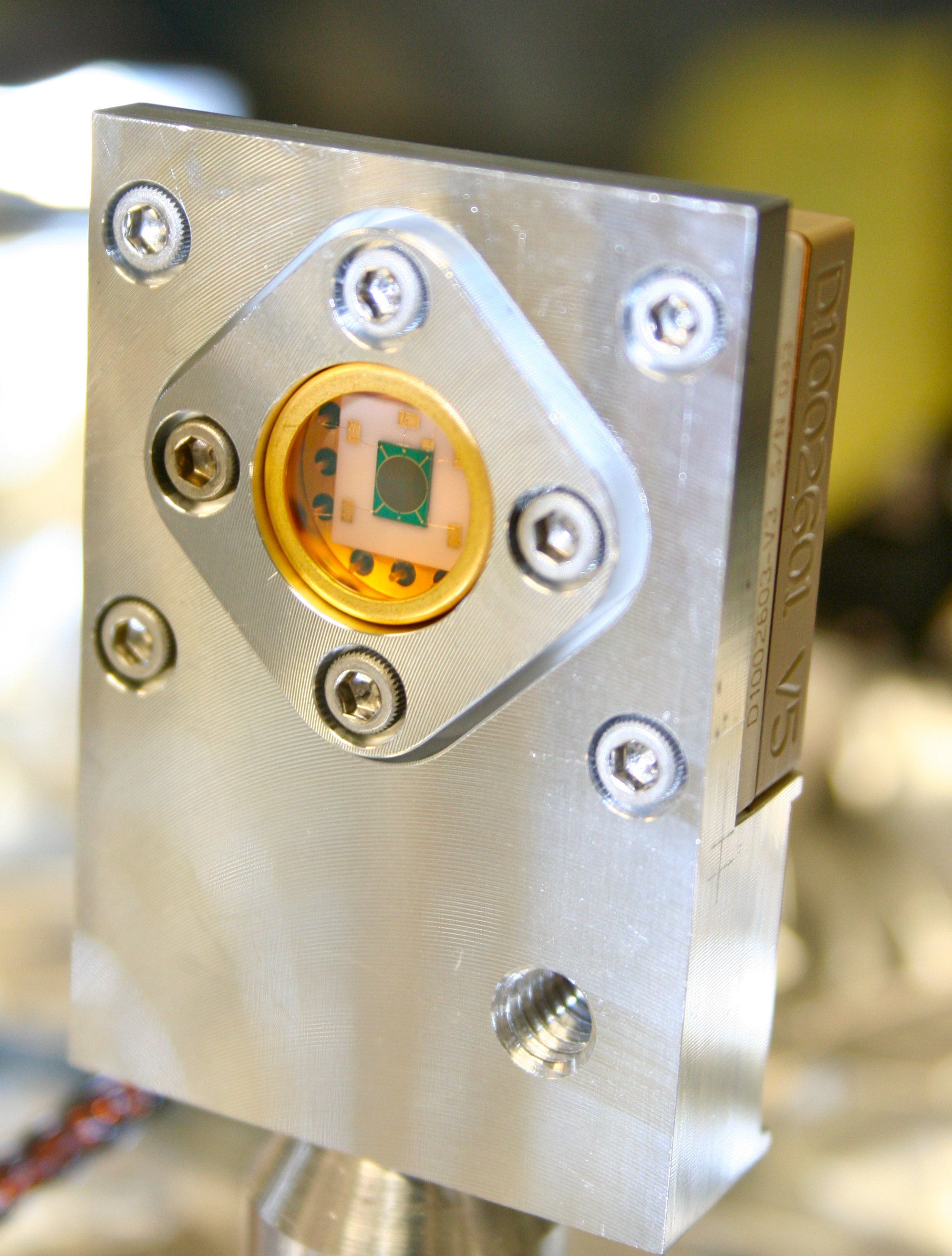
The QPDs were aligned by connecting them (via feedthrough) to a QPD LCD Readout Box, D1102092, (which powers the QPDs & has an LCD target on it). One thing with this Readout Box--make sure to have low enough laser power such that you don't saturate the Box at Low Gain (otherwise, you won't be able to center QPDs).
Wipes were draped over optical components, entire assy wrapped in foil & bagged, and is now stored in a plastic bin. This bin will be stored in the Optics Lab under our Optics Table until we are ready for installation. Keita will submit an a document about this Sled to the DCC separately.
Below are documentation notes for this Sled.
Optical Component Distances
For measurements below, the lenses are measured on the "backface" of their Lens Holder. The Mirrors & Beam Splitters are measured from their glass "front faces". Measurements were measured with a scale & all measurements are in mm.
Photographs
Several of photographs of the build for this Sled are attached to this entry, and ALL photographs are posted in ResourceSpace, here.
List Of Components Installed
This HAM1 WFS Sled was completed & bagged/stored back in Oct/Nov by Keita. I opened it up to document a few items (optical component distance, photos, & parts used). After noting everything I needed, the Sled was wrapped back up & stored in its plastic bin under the Optics Table in the Optics Lab. It will stay here until installation. Keita will submit an a document about this Sled to the DCC separately.
Optical Component Distances
For measurements below, the lenses are measured on the "backface" of their Lens Holder. The Mirrors & Beam Splitters are measured on their glass "front faces". All measurements in mm.
Photographs
An overall photo of this Sled layout is attached to this entry. All photos of this Sled are located in ResourceSpace, here.
List Of Components Installed
DCC document is this: T1200555
According to me, L1 to L2 was measured 198.5mm, not 198mm.
Mark B. Starting TFs on MC2 and PR2.
Mark B. Checked at 7:30 am 12/19 - PR2 completed, apparently successfully, MC2 still chugging away happily but not quite done. Quiet around HAM3 appreciated.
Mark B. Undamped TFs for MC2 finished at 10:47. Damped TFs for MC2 were scheduled, but they aren't critical to the go/no-go so I aborted them. Analysis is underway and HAM3 is available for other uses in the meantime. Data so far: /ligo/svncommon/SusSVN/sus/trunk/HSTS/H1/PR2/SAGM1/Data/2012-12-18-1039919876_H1SUSPR2_M1_0p01to50Hz_tf.mat (PR2 undamped) /ligo/svncommon/SusSVN/sus/trunk/HSTS/H1/PR2/SAGM1/Data/2012-12-19-1039939277_H1SUSPR2_M1_0p01to50Hz_tf.mat (PR2 damped) /ligo/svncommon/SusSVN/sus/trunk/HSTS/H1/MC2/SAGM1/Data/2012-12-19-1039958656_H1SUSMC2_M1_0p01to50Hz_tf.mat (MC2 undamped)
Mark B. Both plots have a dorop-out for L at the lowest frequency band, but that's not serious. PR2 looks good otherwise. MC2 has a Y peak in the L TF that should be there and likewise an L peak in the Y. Suspension should be checked for possible rubbing at the side of a mass.
Mark B., Betsy After some discussions we decided that to go with MC2 as-is, for several reasons. The ISI is now unlocked and one door is on, so a thorough inspection would be tricky. The peaks are not nearly as bad as most cases of rubbing, and could also be explained by slight mismatch in either the LF and RT sensors or the LF and RT actuators (which participate in both L and Y). Finally, although it's hard to see from the summary plot, the slightly suspicious peaks were also present in the old results from 4372, which we signed off on, and at least at that time they were well-suppressed by damping. Thus we gave Bubba the go-ahead to install the other door on HAM3.