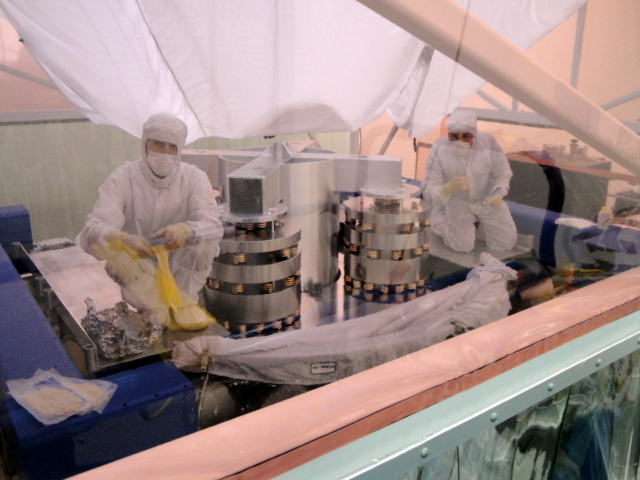
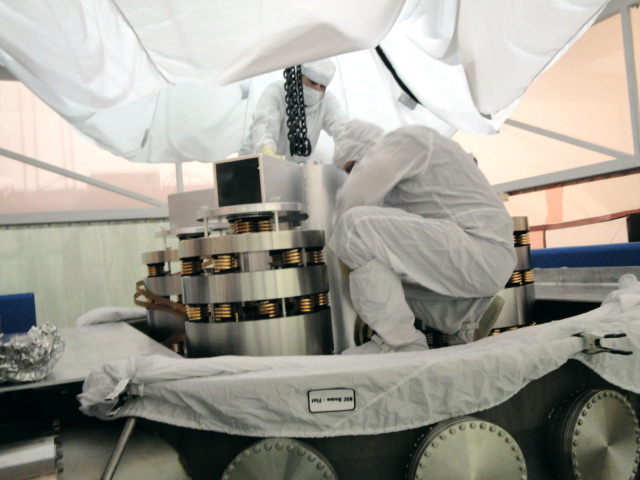
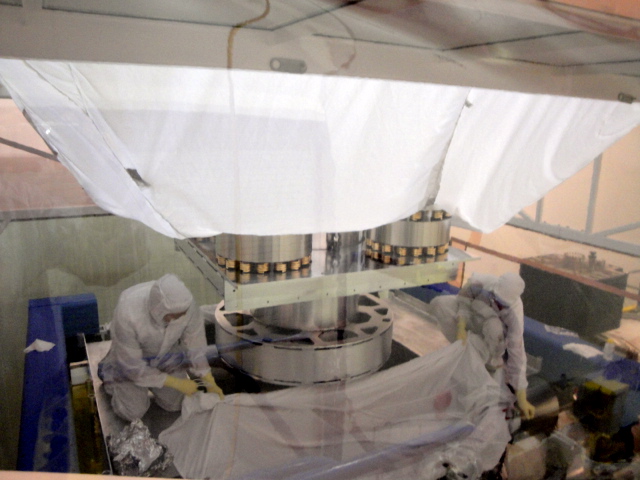
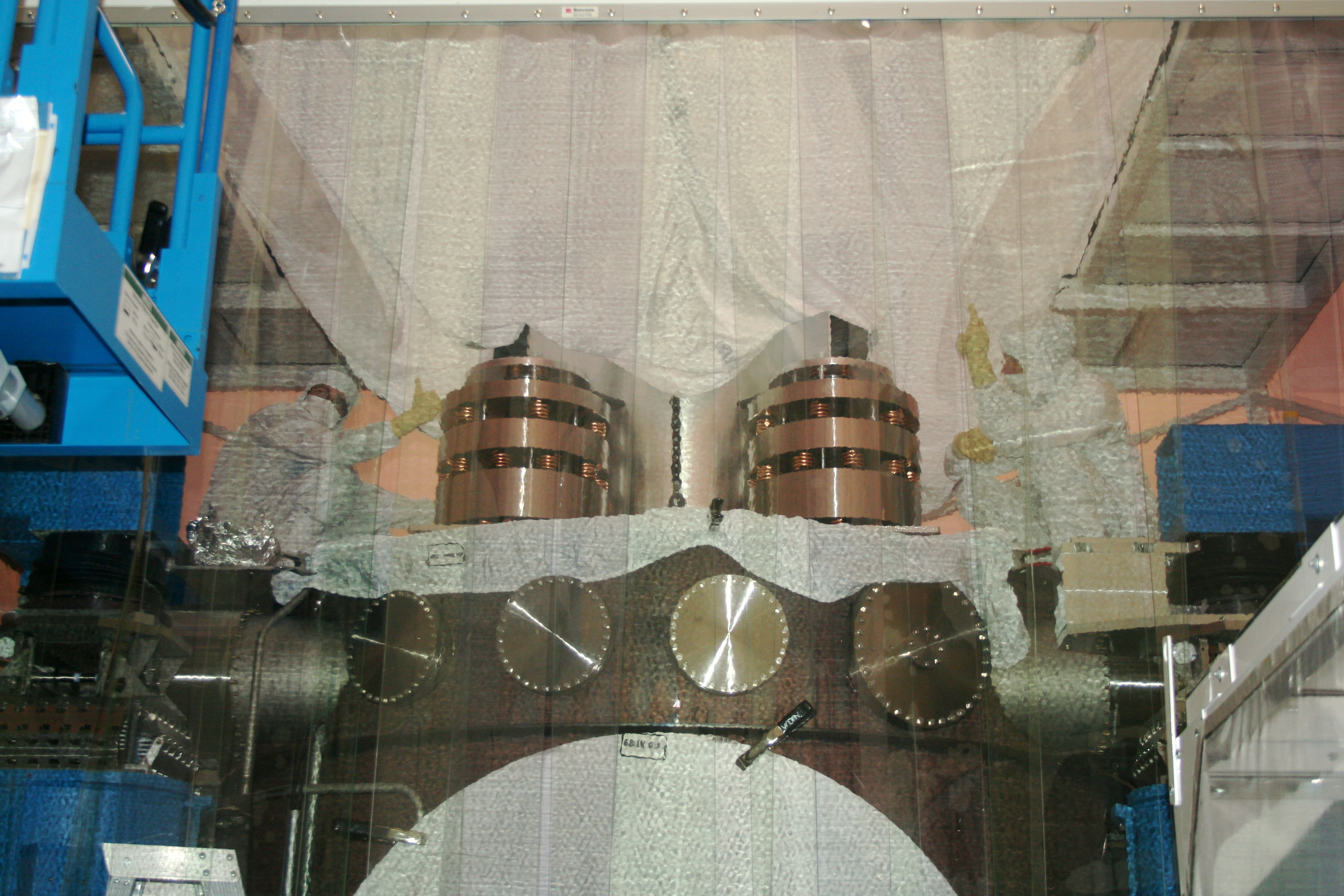
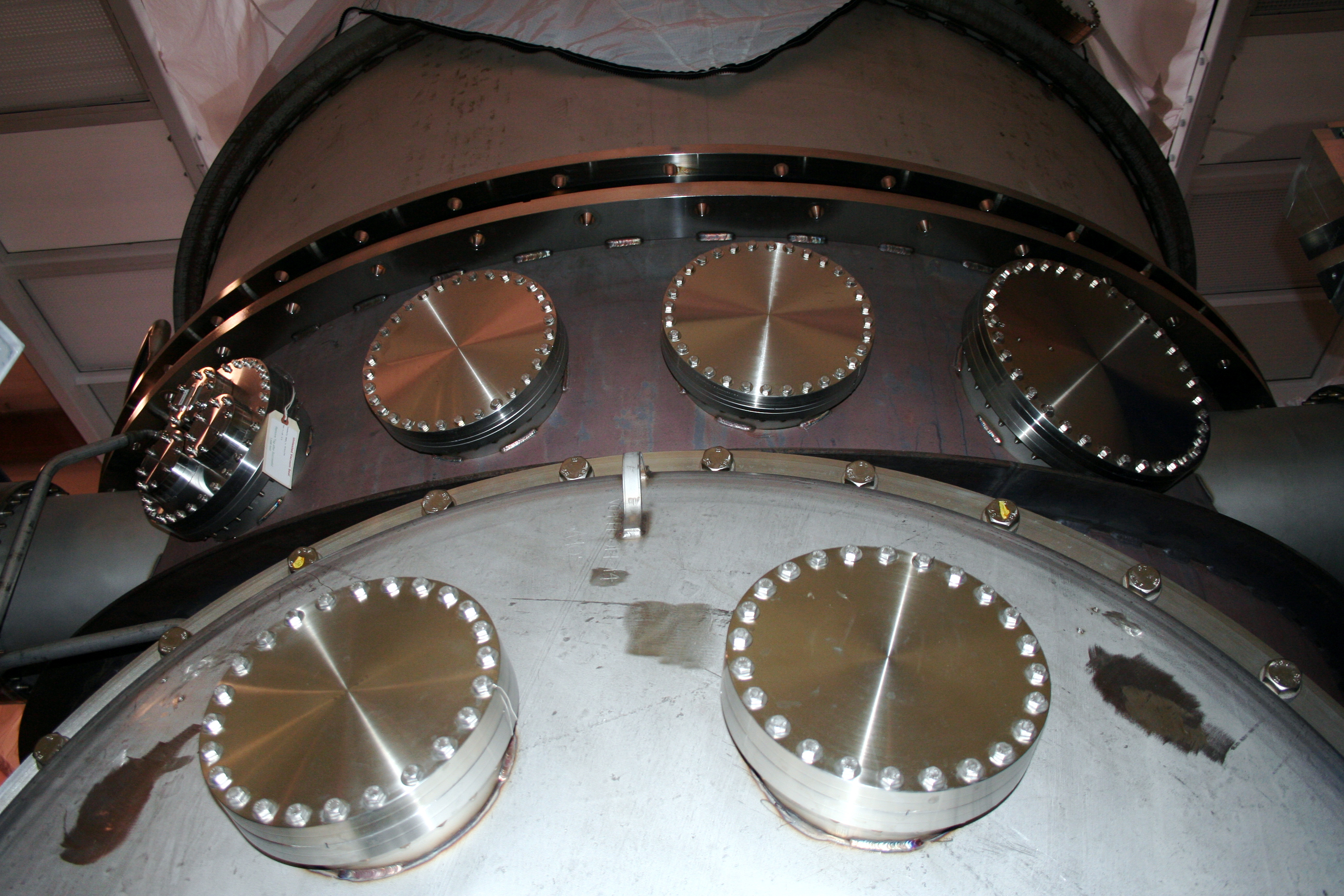
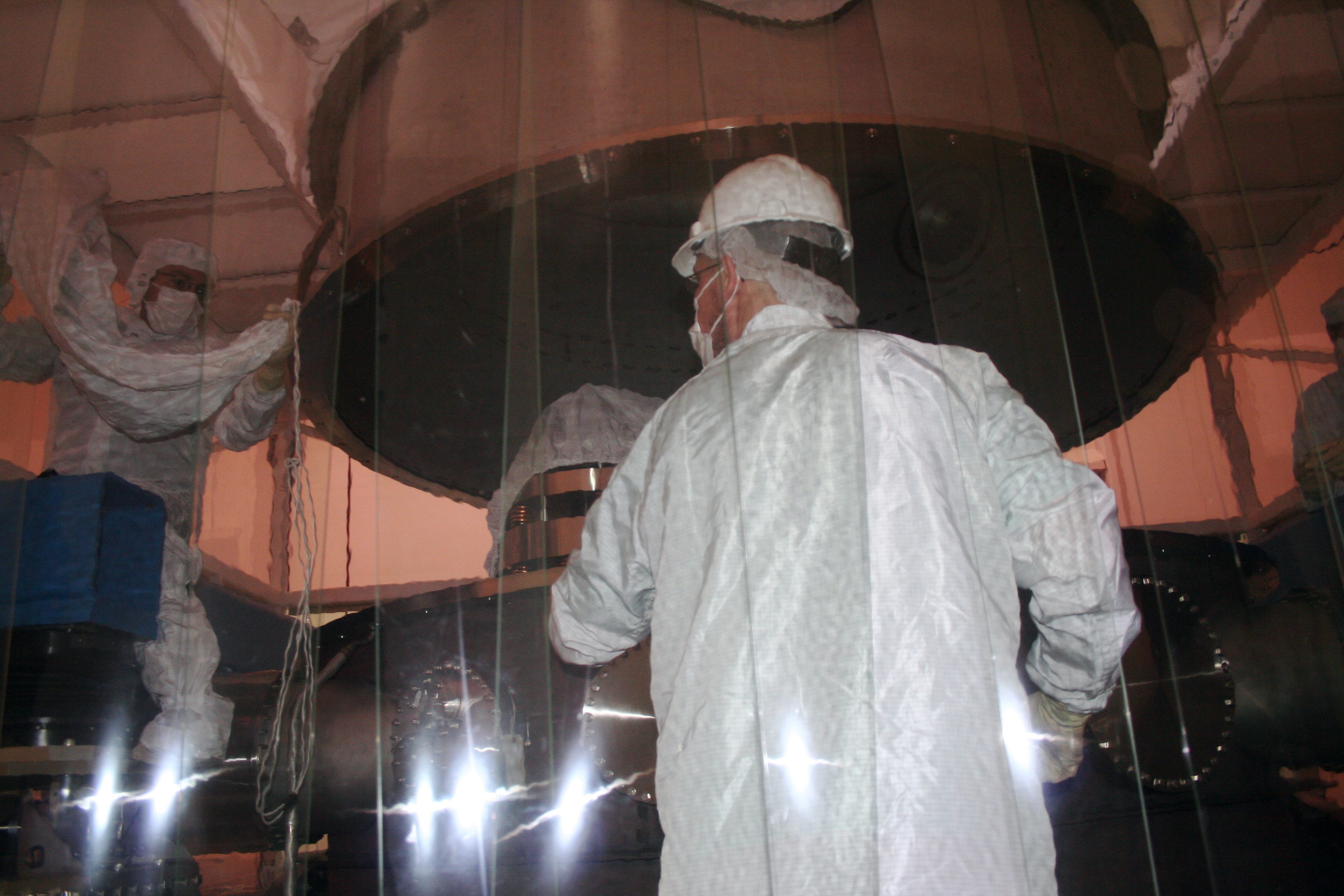
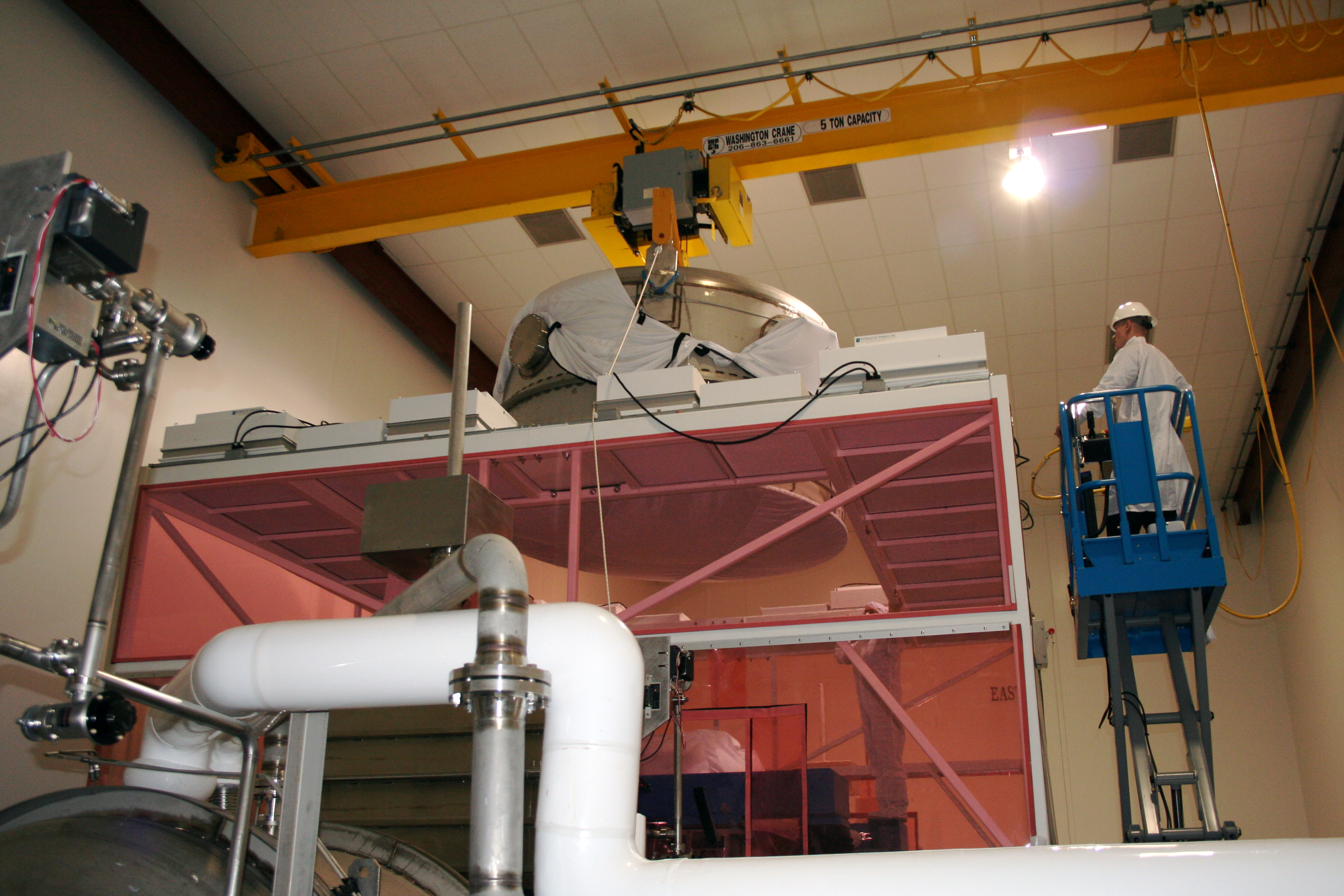
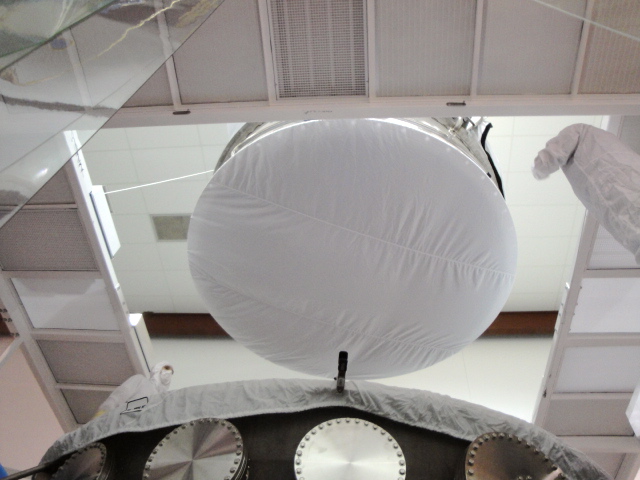
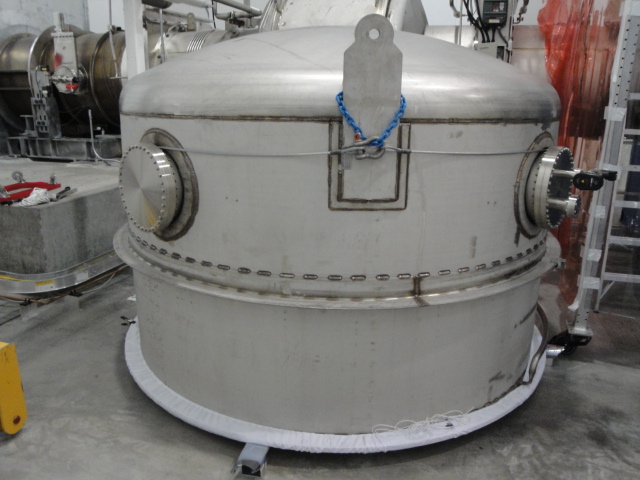
We went into HAM 12 today for the purpose of trying out the modifications to the rotary tool and funnel for collecting freon samples. (We were also hoping to take some more "legitimate" freon samples today but sample bottles did not arrive.) Report on rotary tool: 1. Housing modifications (housing was split down the middle) worked well: the housing was easy to take apart/put together and speed could be changed without dis-assembly. 2. Stem (replaced the chuck) worked very well. 3. Fabric sock needs work: still did not allow enough "play". 4. Vertical brushing does not seem to generate as much particulate as horizontal brushing. 5. Cup brush lost a bristle today. 6. Current bush does not allow tool to be used to clean close to "fins". Report on funnel: 1. Horizontal orientation seems easier to use. 2. Radius of curvature on the rear wall of the funnel allowed closer contact with chamber wall. 3. Handle allowed pressure to be applied to increase contact between chamber and funnel wall. 4. Thinner metal seemed to make a difference as well. 5. We collected ~80% of the freon that we poured in the trial run. 6. We are likely to add a valve to allow collection in chamber but recovery in the staging area. Misc. 1. We tried brushing near a "fin" with a stainless toothbrush which cleaned the chamber wall effectively but generated high particle counts. 2. We ran the external purge air unit with the output ducted to a HEPA filter. I will post some official report on the DCC that includes pix.
Kyle, Zack, Rodney->Hung BSC6 South door. Kyle->Torqued BSC6 South door bolts, pumped BSC6 volume down to 0.5 torr then valved-out pump (for overnight). Note: Inner O-ring on spool connected to GV10 leaks into annulus. Thus, while BSC6 volume remained vented an aux. pump cart was used to prevent the GV10 annulus ion pump from becomming overwhelmed. "Roughing" out the BSC6 volume will allow the removal of the aux. pump cart from the GV10 annulus piping. This is a "safer" configuration for Y1 during the Holiday break. Note: PT210 gauge pair (mounted on BSC6 dome) are not connected to CDS system. Any pressure indication for these is "bogus".
Today's main tasks:
There will be a small amount of maintenance on the aLOG tomorrow. This is an upgrade to some auth project (LIGO.ORG) infrastructure. The work will take place at 10am pacific time. Please finalize your entries or save them as a draft. The update should be complete in a matter of minutes. Thank you for your patience.
Attached are X and PIT TFs of the QUAD with the UIM blade tips deflected an additional 3mm lower than nominal.
Rebooted h2adcumy PEM crate. The system was running but out of sync with the world so I rebooted the front end this morning. Channels all seem to have returned. Most likely cause was work going on at MY Friday.
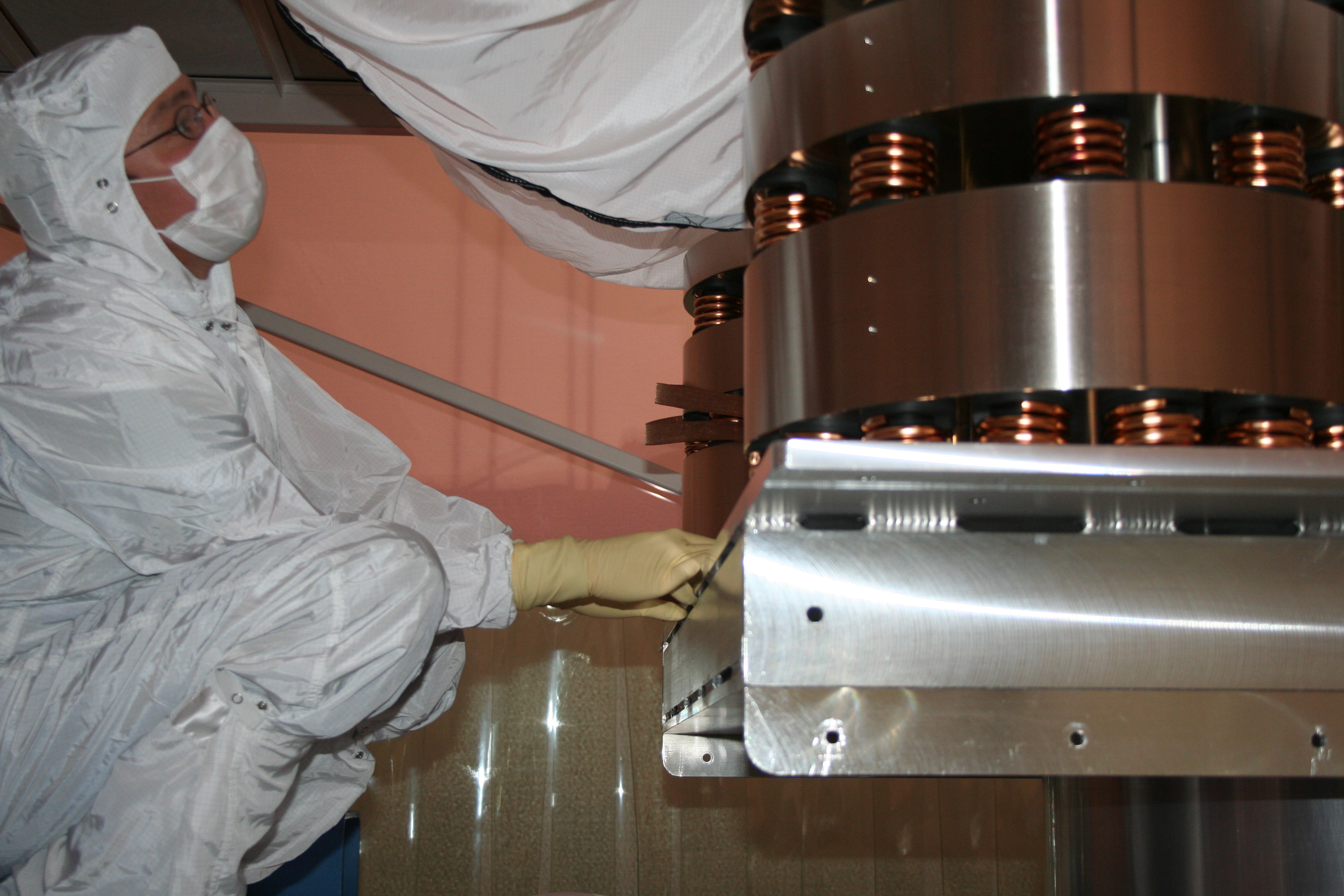
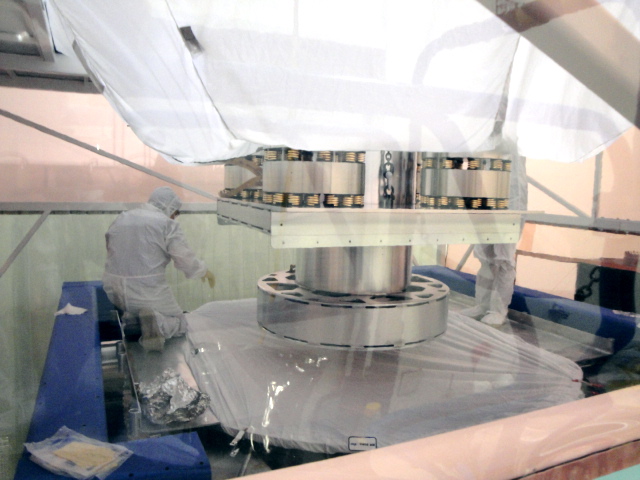
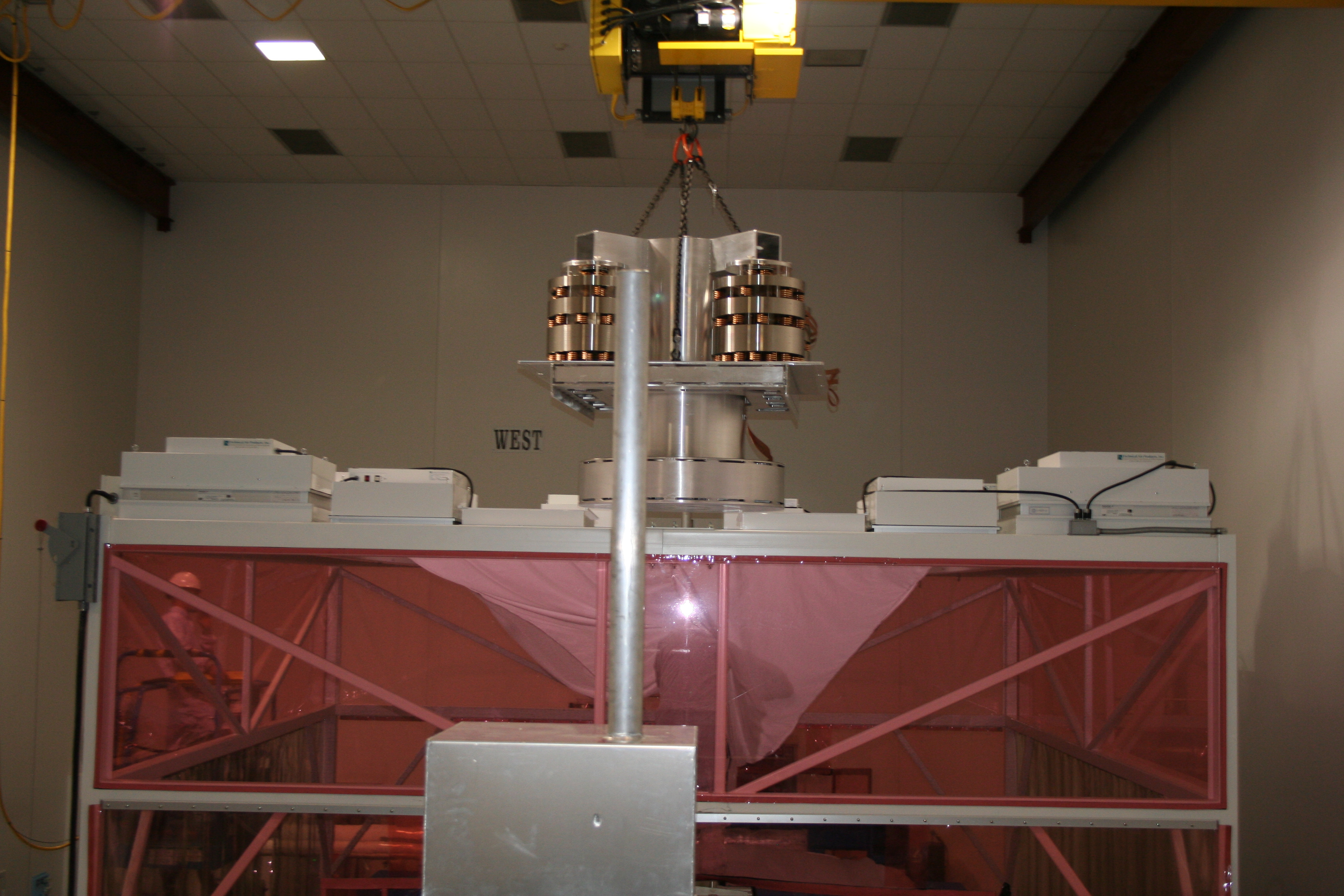
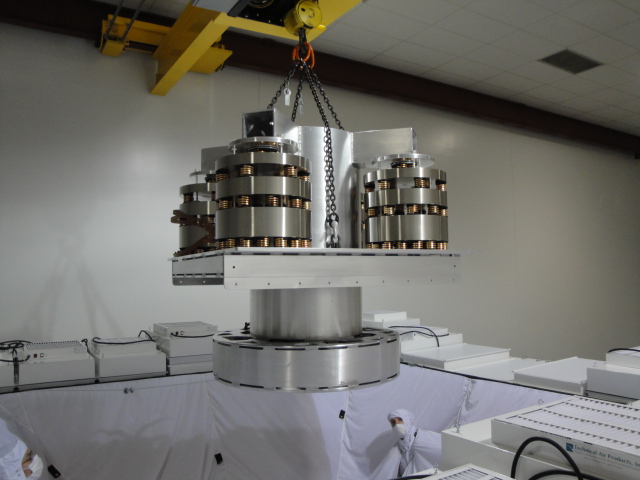
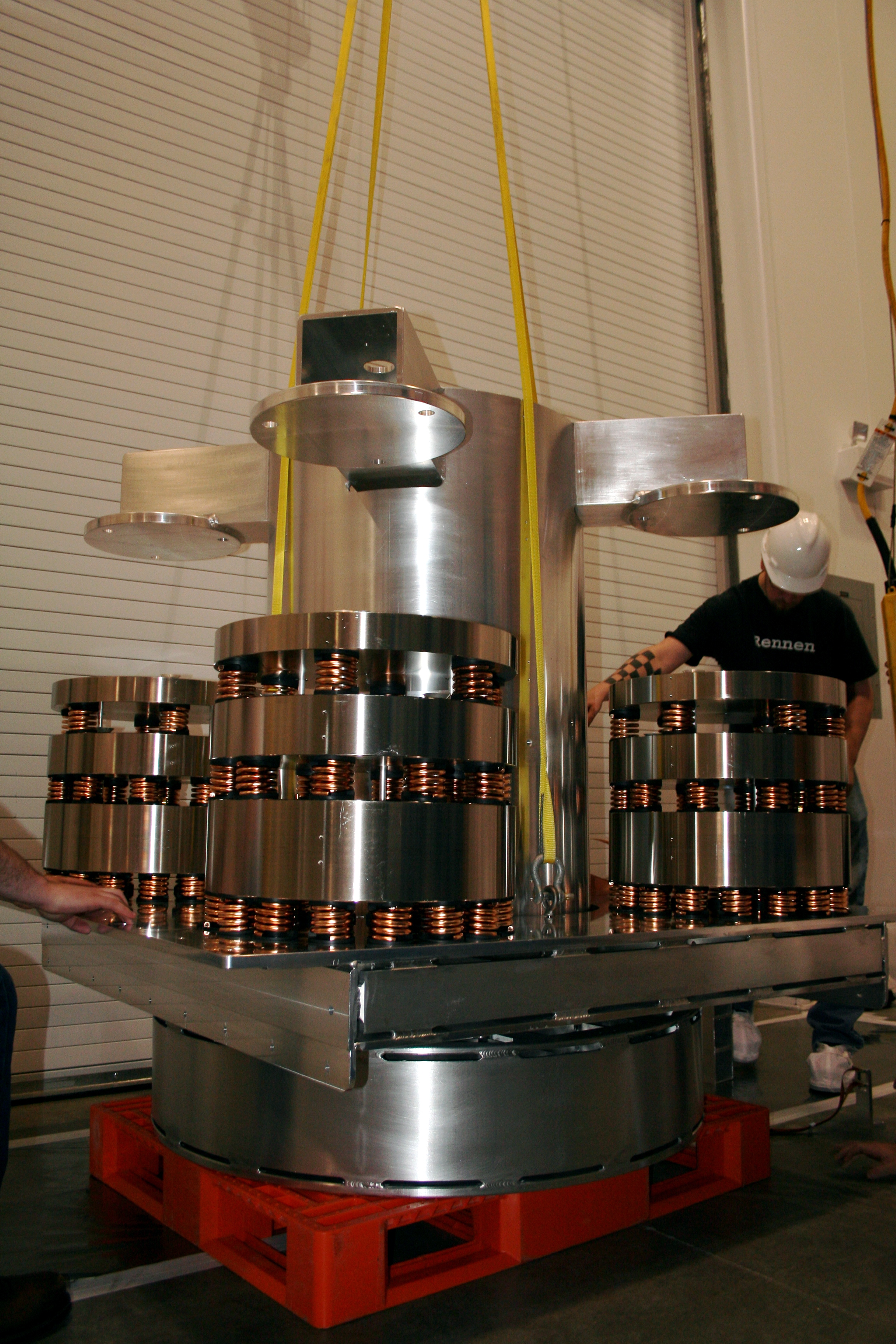
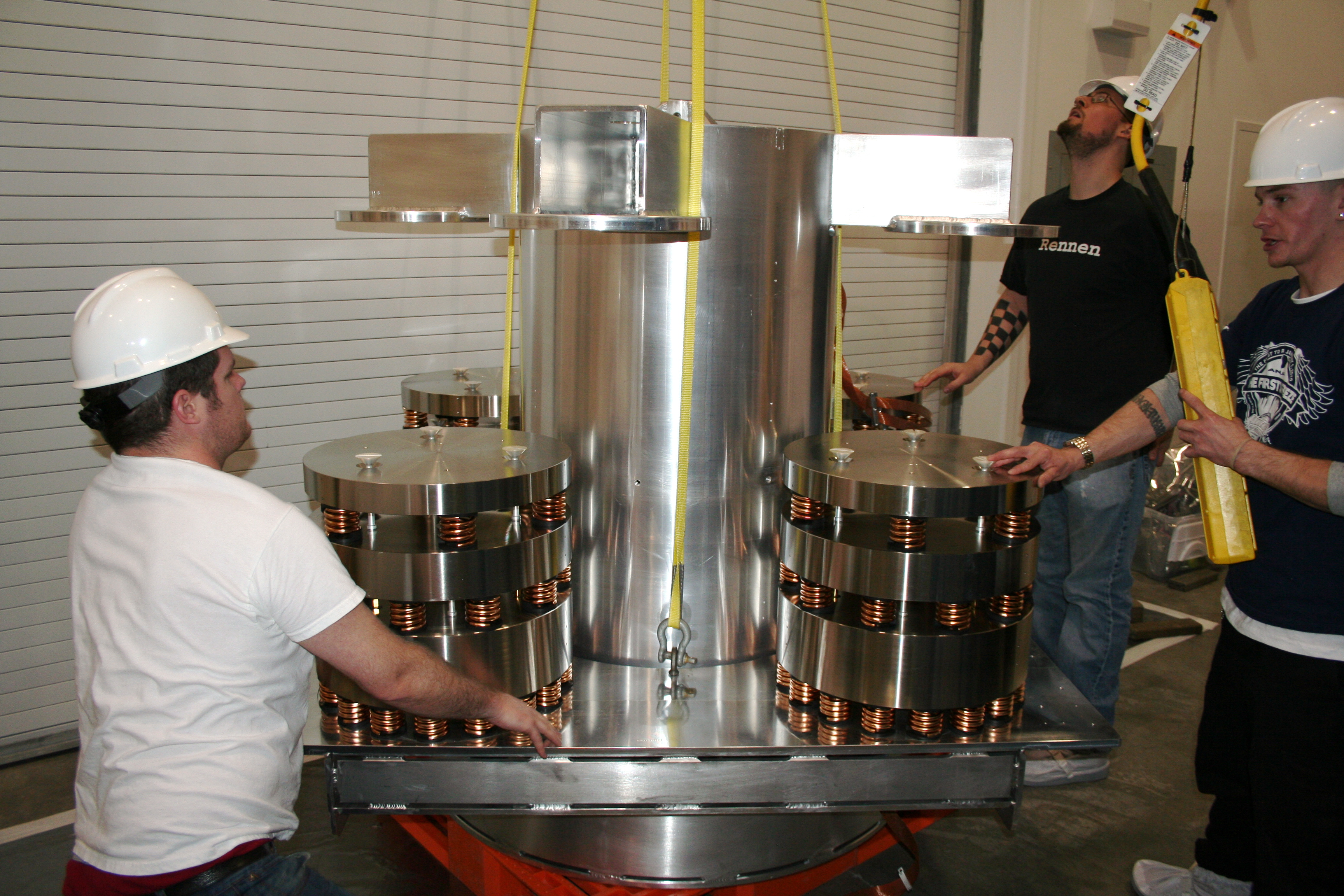
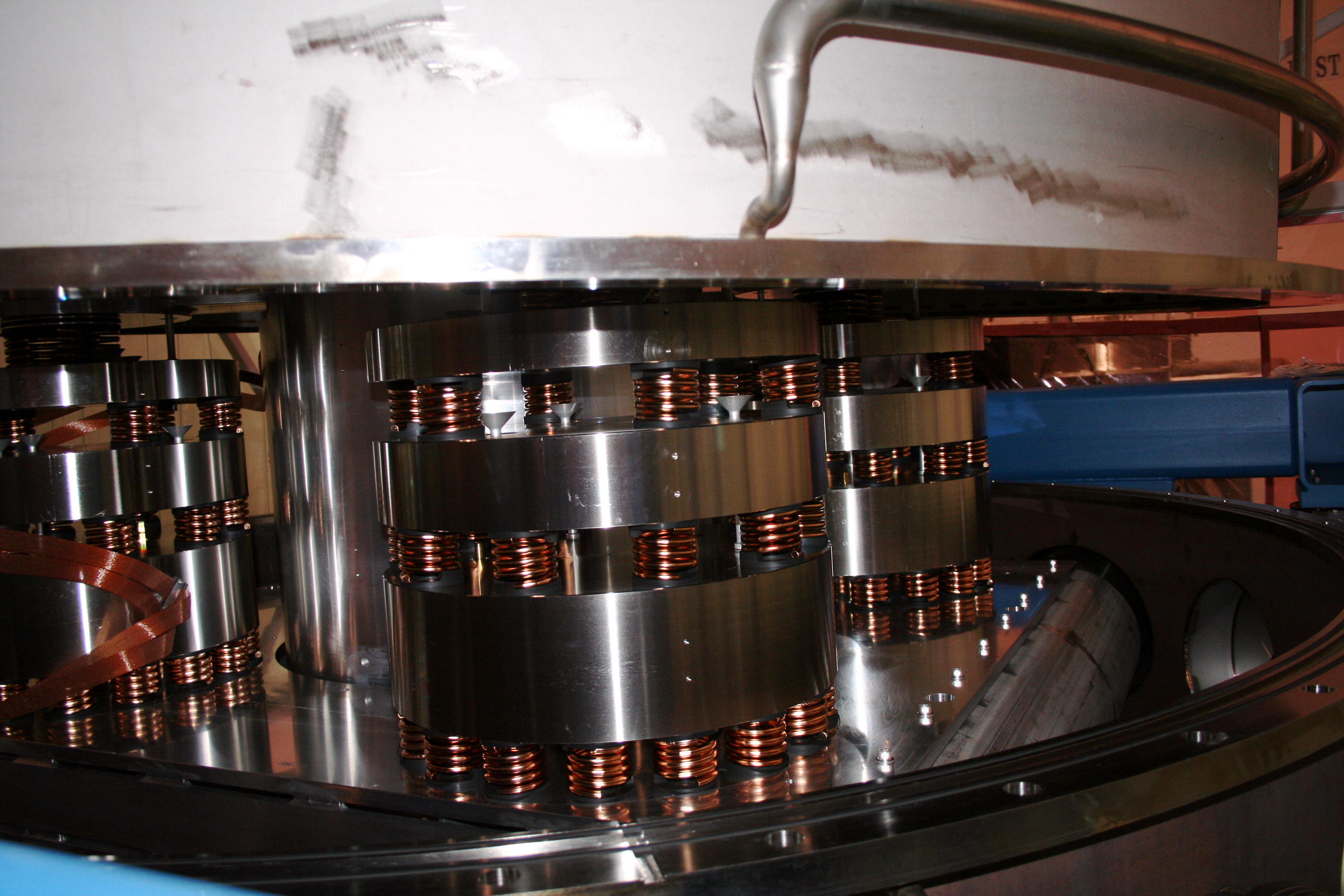
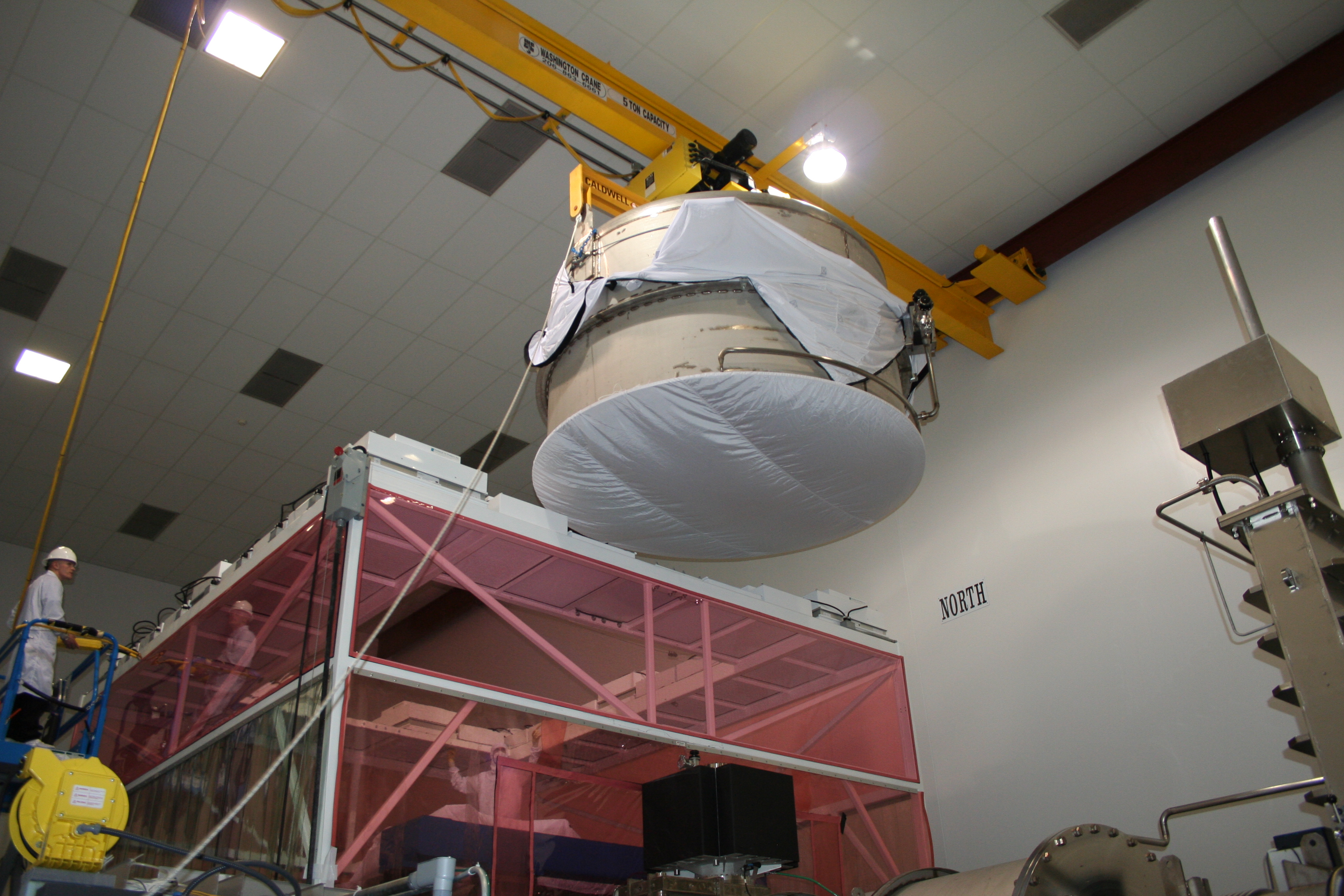
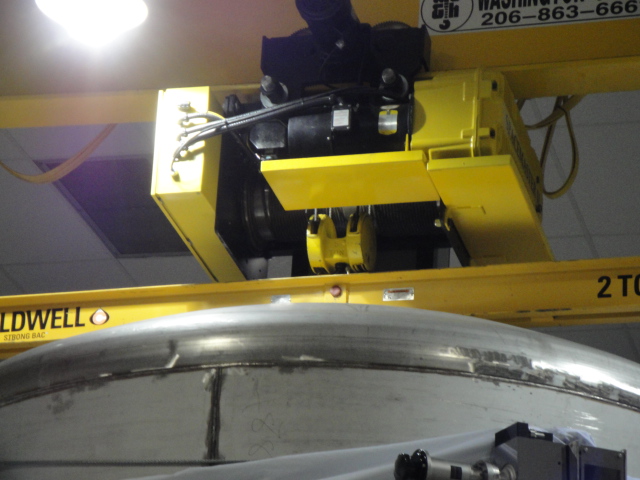
CoreyG JimW Zach Chris Rodney Hugh Re Procedure E1000603. Yesterday we pulled the Dome from BSC6 at MidY. We were unable to pull the Dome through the Cleanroom Ceiling Sock. So after struggling for some time we decided to just pull the softroof off the cleanroom and reinstall after the dome was down. Other than the delay of trying for a while and then reinstalling the sock, it wasn't too big a deal. The inner O-ring was stuck for just maybe 6" and presented no problem. Today we installed the work platforms and generally felt very comfortable working on the ends. It was relatively easy to step around on the side and had plenty of room to make the connections there. The PISI came free of the Support tubes at 6300lbs and fully suspended load was 6410. It slipped out from between the Support Tubes with no encouragement. We did find we had too little headroom and re-landed the assembly to remove the Load Cell. We then connected the lifting rig Master Links directly to the Crane Hook. If we lowered the Cleanroom by maybe 12", we'd have enough clearance to leave the Load Cell in place. Laydown of the stack needs more shimming than we planned. We had ~14" of stacking and will have 16" ready next time. This required we lower the Support Table further and the chains did mar up the top of the Down-Tube Al. We replaced the Dome and this time we prepositioned the regular BSC Sock on the Dome. Once the Dome was over the cleanroom, the SEI softroof was removed, the dome lowered and the Softroof connected to the Cleanroom. No real issues connecting the Dome. Thanks to the great crew! Hugh
Burped GV18 gate annulus accumulated gas into pump cart*Opened GV18 (now Y2 has ion pump pumping)*Valved-in IP5*Valved-out, isolated and spun-down YBM MTP*Burped GV5 gate annulus accumulated gas into pump cart*Opened GV5 (now Y1 has ion pump pumping)*Valved-in IP6*Valved-out, isolated and spun-down XBM MTP
- Used Marc Barton probe to measure UIM with top mass and PEN mass fixed.
- Main Chain UIM mass blade tips lowered to 15mm setting.
- This induced pitch - so lateral adjustments were performed to reset 5mm spacing.
- Chain left completely free.
[Corey, Hugh, Jim, Rodney, Zach] Received verbal approval of Hazard Analysis at lunchtime on Thursday. So the big activity of removing the BSC dome commenced in the afternoon. A few notes:
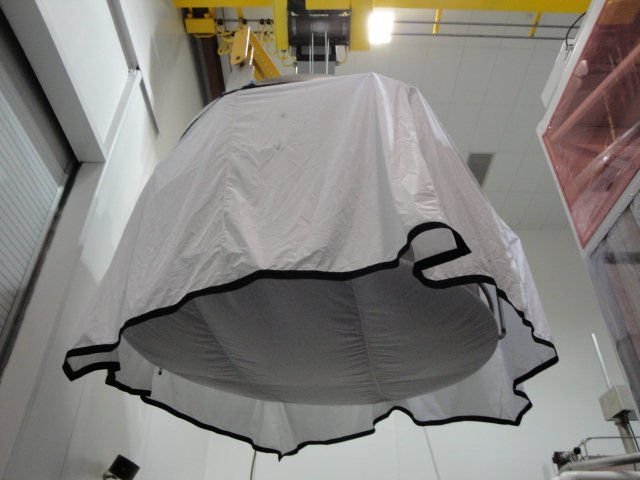
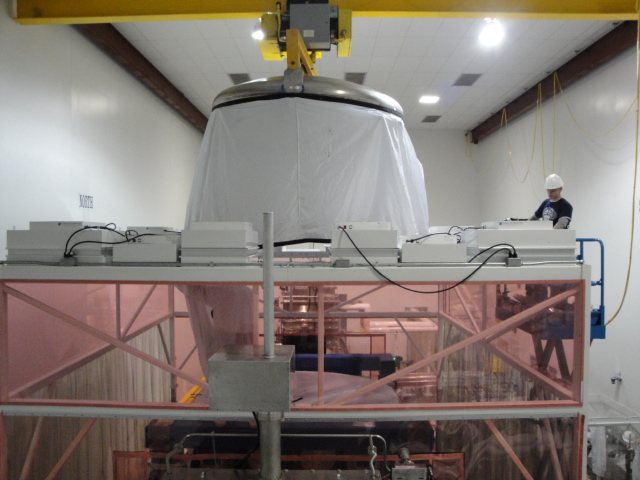
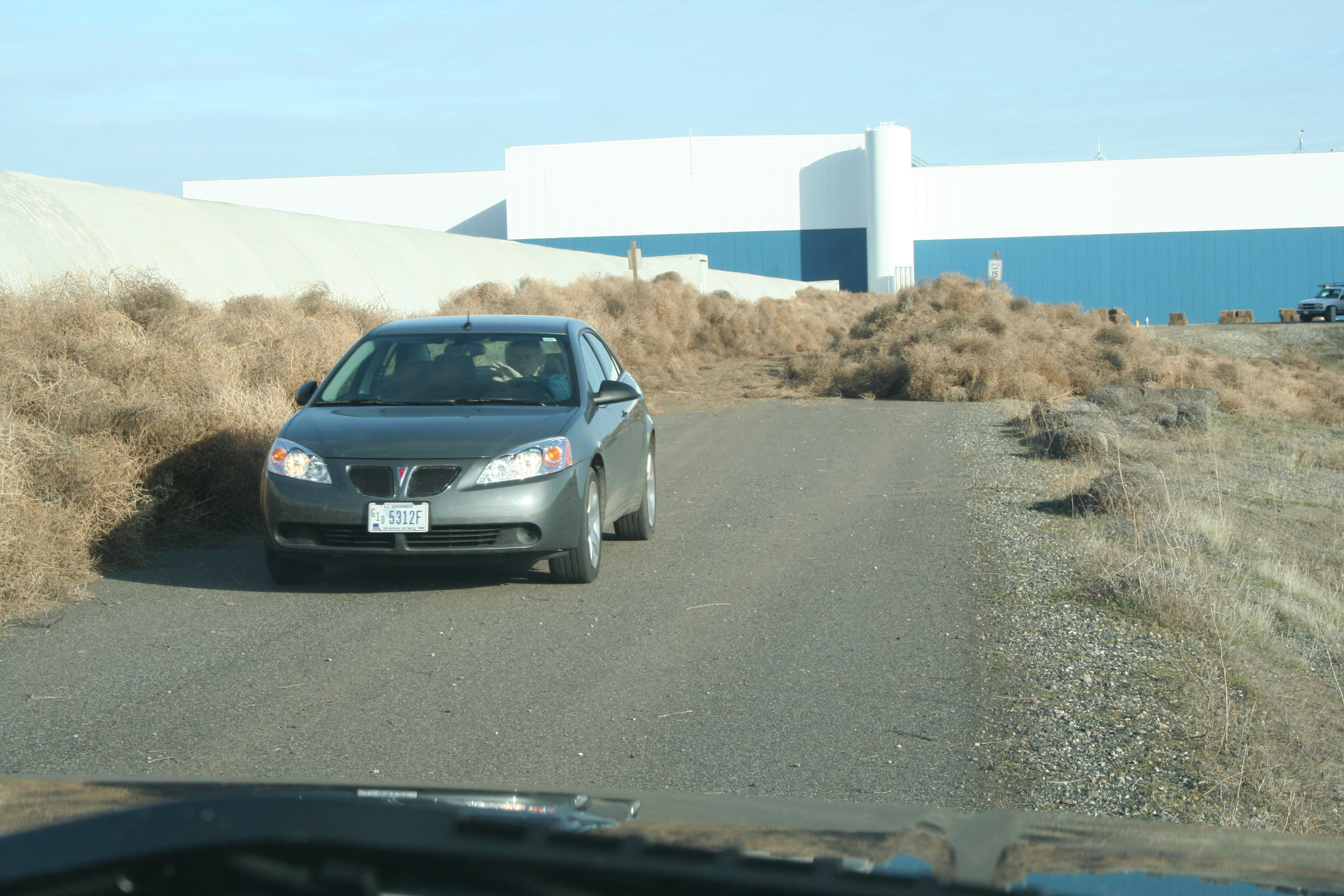
MY BSC6: - Staging of stack extraction via top opening in the morning - Uncapping of dome of BSC6 in afternoon. Sock of mobile cleanroom detached with the dome, and then the sock was reattached. Other: - Oscar baled tumbleweeds. X-arm still closed to traffic. - Richard worked on FMCS alarms. Vacuum screenshot available from FOM4, instead of vacuum computer. - MX alarms today regarding very slight temperature changes...these may be ignored.
added wiper.csh script in /export/home/controls on h2ldasgw0. It runs every 30 mins, and just deletes the oldest full frames and second trend frames directories if /daq-h2-frames exceeds 96%. It runs as a crontab for user controls.
(Corey, Zach) HAM7,8,9,&10 Scissors Tables were all adjusted vertically and set to their mid-range position (this would cause a change in elevation of their respective Support Tubes wrt the HAM Chamber E-Nozzles). This was done for the preparation of HEPI installation later on. We want HEPI to be connected to Support Tubes in their "ideal position". Slotted brackets on the Scissors Tables were replaced with "fixed brackets".
Operator: I confirmed while in manual control that the CP7 liquid transfer line is cold and will permit filling of CP7. I expect CP7's level to increase and surpass the setpoint off 92% this evening. Afterwhich CP7 should be under control of the PI loop and any alarms following this should be observed.
Betsy, Jeff and I did a measurement of the maximum obtainable pitch and yaw range on the rebuilt Quad #2 using an optical lever. According to Norna's write up, T1000268-v1 ( https://dcc.ligo.org/cgi-bin/private/DocDB/ShowDocument?docid=11868 ) we should be able to get 1.4 mrad in each direction at the optic. At the DOF Test screen we applied successively offsets of +2556 and -2556 in pitch and +7863 and -7863 in yaw, which with the usual output matrix maxes out (32K) at least one of the OSEMs. The resulting deflections of the optical lever spot were +9.5 and -11.5 cm in vertical (+=down) and +5.5 and -6.5 cm in yaw (+=left). The optical lever baseline was 4.98 m. This implies a total range of 1 mrad in pitch and 0.5 mrad in yaw, which is rather less than expected. A big chunk of this is that the actual UK driver boxes for the test stand were not built to the 200 mA max output assumed in T1000268. To check this, the voltage across the face1 coil was measured at the simulated vacuum flange, with 32K-1 of offset applied at the Output Filters screen. The resistance (including that of the cables) was 39.9 ohms and the voltage was 3.69 V implying a maximum current of 92.5 mA. The fact that the pitch range is larger than the yaw is probably connected with the fact that the fundamental pitch mode frequency is rather lower than in the model, i.e., there is more pitch compliance than expected.
Further investigation revealed that the driver boxers are not the problem. The LHO ones have all been tested to 200 mA for 20 V input - see S0900011, S0900012, S0900013. The early low-capacity drivers that Norna recalled were apparently sent to LASTI - according to Brett Shapiro those were 75 mA units.
Correction: test reports S0900011, S0900012, S0900013 were for LLO. Test reports S0900050, S0900051 and S1000001 are for LHO. In any case all top drivers for both sites have been tested to 200 mA.
10:10 Recycling pickup 1:15 south door of HAM 12 cloth removed, north door cover removed shortly after ~4:55 both doors of HAM 12 cloth covered Scrubbing HAM 12 from 3:56 - 4:13, attached is trend of dust levels in the LVEA during this time Location 1: Inside ISCT4 Location 2: Outside South West corner of clean room Location 3: Inside North East corner of clean room Location 4: Inside South East corner of clean room Location 5: Inside "beer garden" Location 7: Between HAM7 and HAM8 Location 8: Between HAM1 and HAM2 Location 10: Inside H1 PSL
Synopsis of Chamber Cleaning Test at HAM 12 (Complete report may be accessed at T1000732) Participants: Rodney and Zack Haux, Eric James, Mike Zucker, Jodi Fauver with Patrick Thomas on dust monitors, Dani Atkinson on DCC look-ups, and Chris Soble, Joe Valdez and John Worden on tool mods/repairs Upon our initial entrance into the clean room, Mike discovered that one HEPA fan on the top of the cleanroom was found turned "off". Recommending INS crew locally check all fan units on each clean room with both a particle counter and an anemometer each time the cleanroom is rigged. The adjustable-speed knob on these fan units, which cannot be seen from floor level, is not a good feature. Initial assessment inside the chamber showed there was significant particulate matter. Oxidized surfaces yielded the brown-yellow stain on a wipe as seen in other chambers. Inside the support tube nozzles (non-oxidized) there was a "dry riverbed" of sparkly particles which appeared metallic or perhaps glassy. They were collected on a wipe from one of the nozzles for further examination. Running a finger down the center of the nozzle left a visible clean streak. Several rinsate samples were conducted as a part of the initial assessment. The rotary brushing tool was tested on the same area where the rinsate sample was taken. We tested the Festool power brush tool and vacuum shroud developed for oxide removal. There are substantial mechanical revisions needed to the shroud assembly and brush arbor which we need another meeting to work out so I won't get into specifics. Nevertheless, after much "field improvisation" we were able to get the tool working and ran a successful test. Videos of the brushing test are found at G1001144-v1. We used a "surplus" 60" nozzle dam, whose provenance we could not immediately reconstruct, to block the MC tube aperture The HEPA vacuum, hose and C-3 hose sleeve worked fine. Suction at the tool face was good; with the brush running at speed (high range) but vacuum off, tens of thousands (22,099 counts) of pppcf registered an inch from the brush. This dropped to zero counts (resolution 20 ppcf) with the attached HEPA vac running. The final set of tests was to make sure that we did not introduce HC's. An FTIR sample was taken per standard procedure from the scrubbed and wiped zone, as well as an undisturbed control zone and a liquid control.